Key takeaways
- Ethiopia holds 12 UNESCO World Heritage Sites, 10 cultural and 2 natural, which anchor most guided itineraries (UNESCO World Heritage Centre, 2024).
- The historical north suits first-timers who want rock-hewn churches and castles, while the Danakil and Omo south reward travelers chasing raw landscapes and living cultures.
- A guided Ethiopia Danakil Depression tour usually runs three to four days with a 4×4, driver, armed scout, cook and permits included.
- Book 8 to 12 weeks ahead and confirm current departure points, since Danakil access shifts with regional conditions.
The strongest Ethiopia tours group the country by theme, because the north, south and the Afar lowlands each ask for a different kind of trip. An Ethiopia Danakil Depression tour is a remote desert expedition with a lava lake and neon salt flats, while a northern circuit is a steady route through rock churches and old royal capitals. Knowing which cluster matches your interests makes booking far simpler, and it is the first decision a good operator will help you make.
Ethiopia rewards the structure a guided trip provides. Roads are long, several sites sit at altitude, and the best experiences often depend on local permits and introductions. This guide walks through the main tour themes, compares the historical north with the cultural and geological south, explains what a typical package includes, and gives practical booking advice.
The best Ethiopia tours by theme and region
Ethiopia holds 12 UNESCO World Heritage Sites, split into 10 cultural and 2 natural properties (UNESCO World Heritage Centre, 2024). That density is why most itineraries sort by theme rather than trying to cover everything at once. You pick a lane, then add days.
Here are the clusters operators build around:
- Historical north. Lalibela's rock-hewn churches, Gondar's castles, Aksum's stelae and the Simien Mountains. This is the classic first visit.
- Geological expedition. The Danakil Depression in the Afar region, with the Erta Ale volcano and the Dallol salt and sulphur fields.
- Cultural south. The Omo Valley peoples, the Konso landscape, and the Rift Valley lakes with their birdlife.
- Nature and wildlife. The Bale Mountains, the Rift Valley, and Ethiopia's endemic species.
- City and food. Addis Ababa museums, markets and the coffee ceremony as a short add-on or standalone break.
Most travelers combine two clusters. A common pairing is the historical north with a side trip into the Danakil, which gives you cathedrals of stone one week and a steaming lava lake the next.
Historical north versus cultural and geological south
The north is a route; the south and east are expeditions. Northern tours string together UNESCO cultural sites on relatively well-traveled roads, so they suit first-timers who want famous landmarks and comfortable lodges. Southern and eastern trips trade that comfort for raw landscapes, remote tribal regions and the volcanic Danakil.
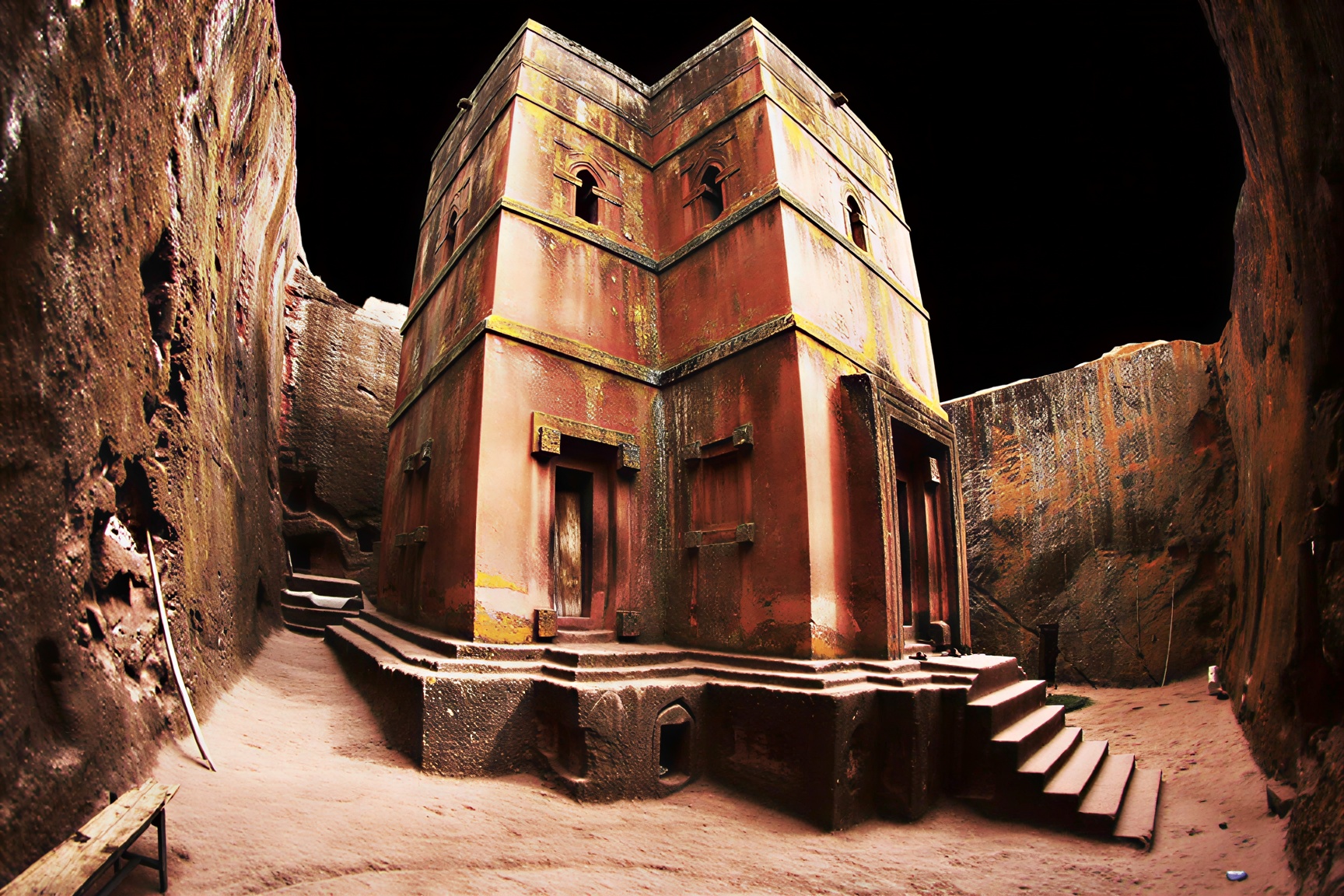
A northern circuit typically flows Addis Ababa to Bahir Dar, Gondar, the Simien Mountains, Aksum and Lalibela. You get the 11 medieval rock-hewn churches of Lalibela, inscribed by UNESCO in 1978, plus castle courtyards and mountain escarpments. The pace is forgiving and the sites are iconic.
The southern and eastern clusters work differently. The Omo Valley is about people and living traditions, with market days and village visits that need local fixers to arrange respectfully. The Danakil, meanwhile, is a hot desert crossing by 4×4. A trip south is as much about people as scenery.
Which should you choose first? If you have never been, start north. If you have, or if you want something few travelers attempt, go for the Danakil or the Omo.
What a guided Ethiopia Danakil Depression tour includes
A standard Ethiopia Danakil Depression tour runs three to four days and is fully supported, because the region is one of the hottest and most remote places people regularly visit. You do not drive yourself. The expedition is built around a 4×4 convoy and a local team that handles the logistics you cannot manage alone.
A typical package covers:
- A 4×4 vehicle with an experienced driver who knows the Afar tracks.
- A local guide plus an armed scout, which is standard for this area.
- All permits and regional fees.
- A cook, simple camp meals, and bottled water.
- Basic camping gear for the Erta Ale overnight and the salt-flat nights.
The highlights are the Erta Ale lava lake, usually reached by a night trek to catch it glowing after dark, and the Dallol hydrothermal field, where mineral springs stain the ground yellow, green and orange. You will also pass salt caravans where Afar workers still cut blocks by hand. Temperatures are punishing and shade is scarce, so the guided structure is what keeps the trip comfortable and safe. For the full on-the-ground account, read our Danakil Depression tour guide.
How to choose duration, pace and season
Match your days to your clusters, then set the pace by altitude and heat. A single-theme trip, such as the historical north or a standalone Danakil loop, fits comfortably in 4 to 7 days. Combining north and south, or adding the Omo Valley, pushes you toward 10 to 14 days. Rushing Ethiopia is the most common planning mistake, since drive times between highlights are long.
Pace matters more here than in many destinations. The highlands sit at altitude, so build in a lighter first day around Addis Ababa to acclimatize. The Danakil sits far below the highlands and bakes in heat, so those days are physically demanding in the opposite way. Alternating a tough day with an easier one keeps the trip sustainable.
Season is the other lever. The main dry window runs roughly October to March, when roads hold up and the Danakil is at its least brutal. The heavy rains from June to September can cut off some routes. Festival timing also shapes the calendar: Timkat in January and Meskel in late September draw crowds and need earlier booking.
Booking tips for a smooth, authentic trip
Book early, confirm the fine print, and choose an operator with real local relationships. For dry-season and festival travel, 8 to 12 weeks of lead time is sensible, since vehicles, scouts and lodges fill up. The earlier you lock in, the more say you have over pace and private-versus-group format.
A few checks separate a smooth trip from a frustrating one:
- Confirm what is included. Permits, scout fees, park entries, domestic flights and bottled water should be spelled out, especially for the Danakil.
- Verify current departure points. Access to the Danakil can shift with regional conditions, so ask which town your tour currently launches from.
- Ask about group size. Smaller groups mean more flexibility in the Omo Valley and on the salt flats.
- Request named guides. A driver who knows the Afar tracks and a guide who can introduce you to communities is worth more than a cheaper quote.
- Check cancellation and health terms. Altitude, heat and remoteness make clear policies important.
The authenticity of an Ethiopian trip usually comes down to the people arranging it. Yenew builds its tours around local drivers, guides and community contacts, which is what turns a Danakil crossing or an Omo market day into something you could not replicate alone. If you are still weighing providers, our guide on how to pick the best Ethiopia travel agency lays out the questions to ask before you pay a deposit.
Start by deciding your two clusters and your travel window, then send that to an operator and ask for a sample itinerary with a full inclusions list. That single message tells you quickly whether a company understands Ethiopia or is simply reselling a generic package.
Frequently asked questions
How many days do I need for an Ethiopia Danakil Depression tour?
Most operators run the Danakil as a three to four day loop. That covers the Erta Ale lava lake overnight and the Dallol salt flats, with transfers from the regional gateway town built into the schedule.
Is the Danakil Depression safe to visit on a guided tour?
The Danakil is remote and extremely hot, so reputable operators include an armed scout, a 4×4, a local guide and permits. Travel in a group, follow your guide near the Erta Ale crater, and confirm the current departure point before you book.
Should I pick northern or southern Ethiopia for my first tour?
First-time visitors usually start in the historical north for Lalibela, Gondar and the Simien Mountains. Travelers who want the Danakil, Omo Valley cultures or Bale wildlife lean south and east. Many longer tours combine both.
When is the best time to book an Ethiopia tour?
Aim to book 8 to 12 weeks ahead for the October to March dry season, when roads are firm and the Danakil is at its most bearable. Festival dates like Timkat and Meskel fill up earlier.