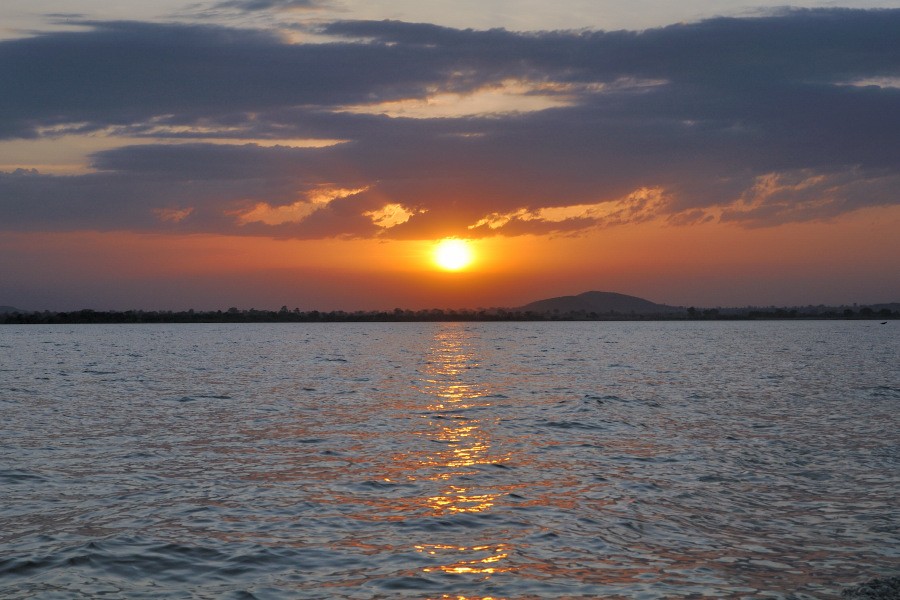
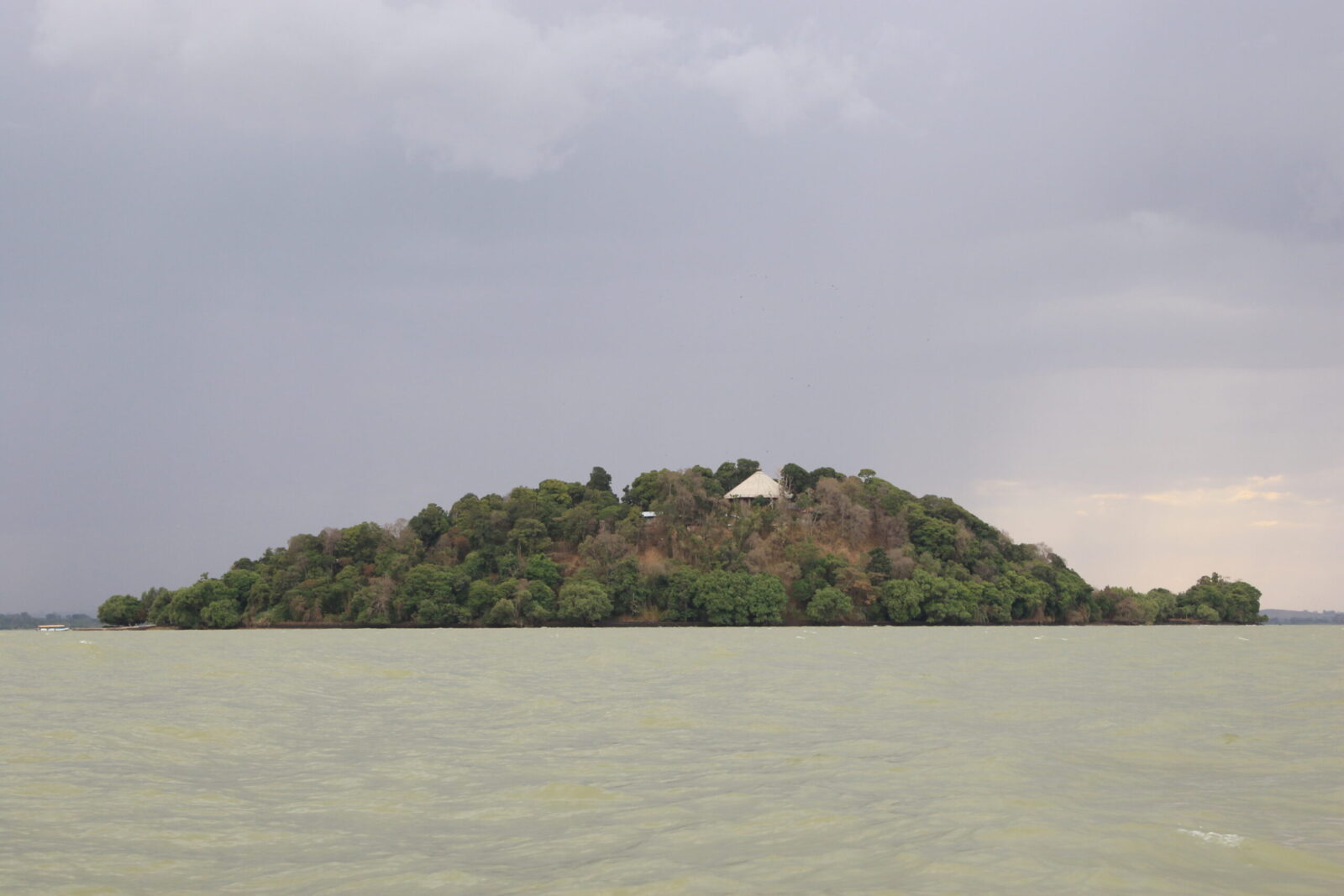
Lake Tana is Ethiopia’s largest lake and is home to 37 islands. UNESCO designated it a biosphere reserve in 2015, because of its biodiversity.
Beyond its natural beauty, its history and religious heritage make it one of the main places to visit in the country.
The lake
The lake is said to have formed through a volcanic eruption about 25 million years ago. It has a surface area of 3,600 square kilometres. It is about 80 km long from north to south and 60 km wide from east to west, with an average depth of about 9 m.
Classed as a mountain lake, it lies 1,830 m above sea level. It is heart-shaped, wider in the north and narrower in the south.
History and monasteries
The Athenian tragedian Aeschylus, in the 5th century BC, described it as the copper-painted lake. Lake Tana is spoken of as the origin of Ethiopian history. Some scholars and religious leaders link it with the Ark of Zion, the Virgin Mary and St Yared.
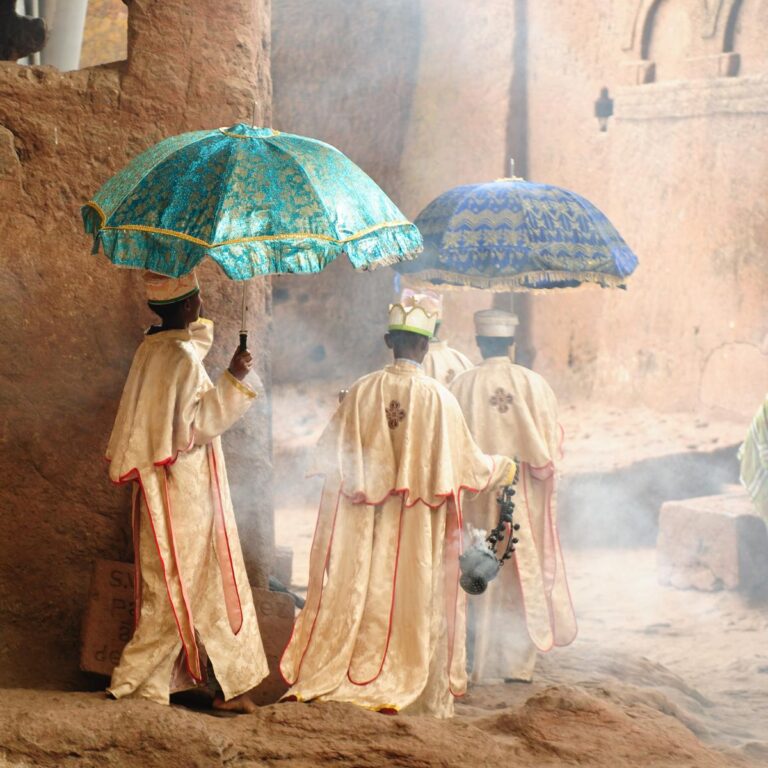
The lake has plenty of birdlife, but its most notable feature is the number of churches and monasteries on its shores and islands. Most were founded in the medieval period, some as early as the 14th century, by monks known locally as the Seven Stars. Kings of Ethiopia built the monasteries, and they became an important religious and political centre.
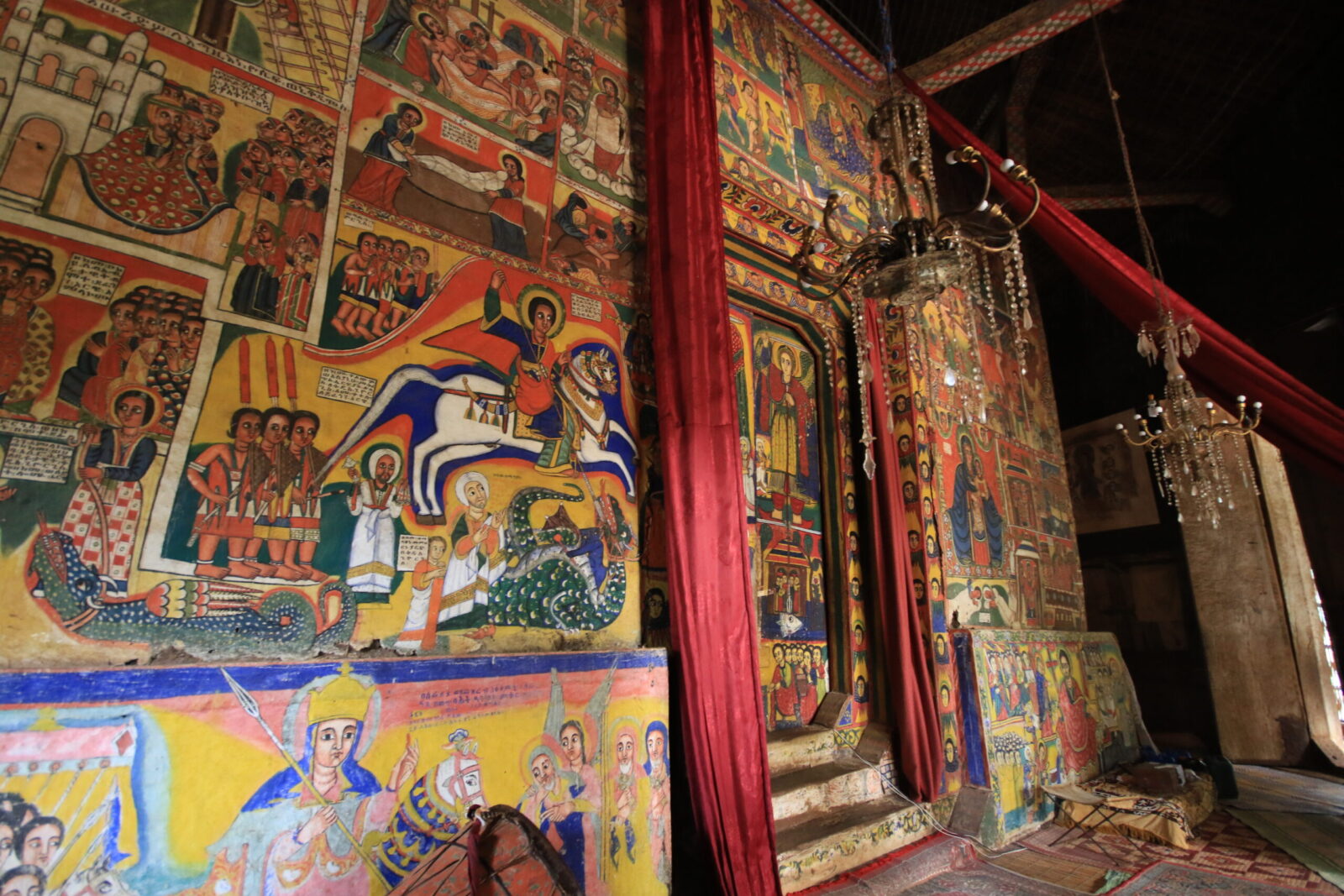
The monasteries also house treasures, mural paintings, icons, parchment manuscripts, scrolls and imperial possessions.