Key takeaways
- Ethiopia is one of the cheaper countries to travel in East Africa once you avoid internal flights and book shared group departures.
- Joining a shared group departure can cut the per-person cost of a guided trip by a large margin compared with a private vehicle and guide.
- The northern historic circuit and the areas near Addis Ababa offer the strongest value for first-time visitors on a budget.
- Local minibuses, family-run guesthouses and injera-based meals are the three biggest everyday savings for independent and semi-guided travelers.
- A verified October 2026 rate of roughly 1 USD to 160.79 ETB means foreign currency stretches a long way for food, transport and lodging.
You can see most of Ethiopia's headline sights on a modest budget if you travel overland, sleep in family-run guesthouses and eat where locals eat. The biggest costs are internal flights and private vehicles, so the way you handle transport and lodging decides whether a trip is cheap or expensive. This guide walks through the practical choices behind affordable Ethiopia budget tours, from shared departures to the regions that give you the most for your money.
Ethiopia rewards travelers who plan around value. Rock churches, highland monasteries, ancient cities and dramatic landscapes sit within a few overland routes, and daily costs for food and local transport stay low by regional standards. The trade-off is time: the cheaper you want to go, the more hours you spend on buses and the more flexible your schedule needs to be.
How Ethiopia Budget Tours Keep Costs Down
Three decisions control the price of a trip here, in order of impact.
Skip or limit internal flights. Domestic flights cover long distances quickly, but they are the single largest line item for most itineraries. Travel between the main northern cities by road instead, and you keep that money in your pocket. Save flying for the longest hops, such as Addis Ababa to the far south, where a full day of driving is the only alternative.
Choose the right vehicle. A private 4×4 with a driver is comfortable and flexible, and it is also expensive once fuel and daily driver costs stack up. Shared group departures and public transport cost a fraction of that.
Eat and sleep local. Family-run guesthouses and injera-based meals cost very little compared with international-standard hotels and tourist restaurants. The food is also a highlight of the trip rather than a compromise.
Favorable exchange rates help too. As of October 2026 the mid-market rate sits at roughly 1 USD to 160.79 ETB, so meals, local transport and guesthouse rooms feel inexpensive to anyone arriving with dollars, euros or pounds.
Before you cost anything out, confirm your entry requirements. Most visitors arrive on an e-visa obtained in advance through the official Ethiopian e-visa portal, and it is worth budgeting that fee into your plan from the start.
Shared Group Departures vs Private Trips
The choice between joining a group and booking a private trip is the biggest lever on a guided budget.
Shared group departures
On a shared departure, you join a set itinerary on fixed dates with other travelers. The cost of the vehicle, the driver and the guide is split across everyone on board, which is why the per-person price drops so sharply. You give up some flexibility, since the route and timing are fixed, but you gain company on the road and a far lower bill.
Group departures suit solo travelers and couples especially well. A private vehicle costs almost the same whether one person or four sit inside it, so splitting that fixed cost with strangers is often the difference between an affordable trip and an expensive one. Yenew runs scheduled group departures on its most popular routes, which makes it straightforward to join a fixed-date trip without organizing the whole thing yourself.
Private trips
A private trip gives you your own vehicle, guide and schedule. You decide when to leave, how long to linger at each site and where to stop for lunch. For families, small friend groups or anyone with specific interests, splitting a private cost across three or four people can bring the per-person price close to a group tour while keeping full control.
Private is the sensible choice for remote or logistically tricky regions. Trips into the Omo Valley or the Danakil Depression involve permits, scouts and careful planning, and a dedicated operator earns its cost there. If a southern or far-eastern route is on your list, research how operators differ before you commit, since the gap between a well-run outfit and a risky one is wide in those areas.
Money-Saving Tips on Transport, Lodging and Food
Transport
Public minibuses and intercity buses connect almost every town in Ethiopia, and they are the cheapest way to move around. They are slower and more crowded than a private car, and schedules can be loose, so build in buffer days. For longer intercity routes, larger coach companies offer a more comfortable seat for a modest step up in price.
Within cities, shared taxis and ride-hailing apps in Addis Ababa keep local transport cheap. Agree on fares in advance where meters are not used.
Lodging
Family-run guesthouses and small local hotels are widely available and cost a fraction of international chains. In smaller towns on the historic circuit, simple guesthouses near the main sights let you walk to the attractions and skip transport costs entirely. Booking the first night in a new city ahead of time saves stress; after that, many budget travelers arrange rooms on arrival to stay flexible.
Food
Ethiopian food is both cheap and central to the experience. A plate of injera with assorted stews feeds you well for very little, and fasting-day menus across the country are entirely vegetarian, which keeps costs down further. Local coffee ceremonies and street snacks are inexpensive ways to spend time with people rather than money.
Which Regions Offer the Best Value
Not every region costs the same to visit. Distance, road quality and the need for permits all push prices up or down.
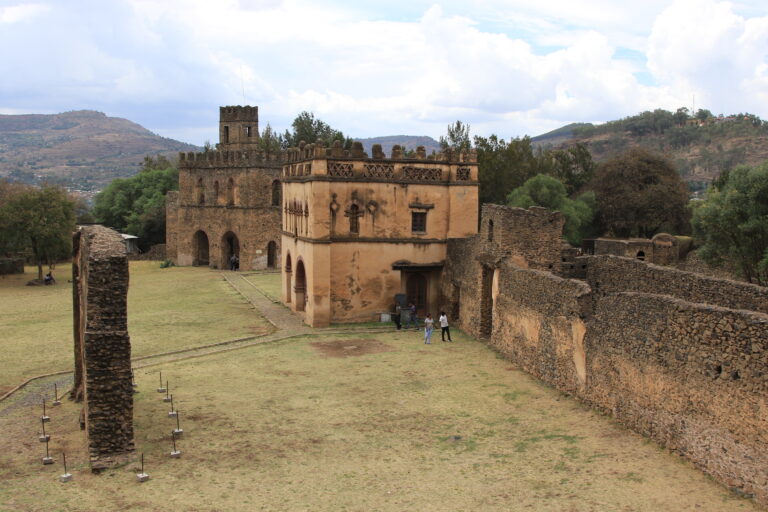
Best value: the northern historic circuit. Lalibela, Gondar, Axum and Bahir Dar sit along connected overland routes and pack a lot of UNESCO-listed history into a compact area. You can combine the famous rock-hewn churches of Lalibela with the island monasteries of Lake Tana and reach both without long, fuel-heavy drives. This is where first-time budget visitors get the most sightseeing per dollar.
Strong value: the central highlands near Addis Ababa. Day trips and short overnight loops from the capital let you see waterfalls, monasteries and highland scenery without committing to a long expedition. These routes keep transport costs low because you are never far from the main transport hub.
Higher cost, high reward: the south and the Danakil. The Omo Valley and the Danakil Depression are extraordinary, and they are also the most expensive regions to reach because of long distances, rough roads and permit requirements. They are worth the splurge for travelers with the time and budget, but they are rarely where you start if money is the main constraint.
Sample Budget-Friendly Itineraries
These outlines show how the choices above combine into a realistic trip. Treat them as starting points you can lengthen or trim.
1. Short northern taste (about 5 days)
- Fly or bus to Bahir Dar; visit the Lake Tana monasteries and nearby Blue Nile Falls.
- Continue overland toward Gondar for the royal castles.
- Keep lodging in guesthouses and meals local throughout.
This loop focuses on the cheapest-to-reach northern highlights. If you are weighing whether to tackle part of it as a long day trip from the capital, check the realistic driving times before you commit, since some routes look shorter on a map than they feel on the road.
2. Classic historic circuit (about 8 to 10 days)
- Combine Bahir Dar, Gondar and Lalibela by road and, where needed, one internal flight to save a long drive.
- Add the Simien Mountains foothills if the season and budget allow.
- Join a shared group departure to split vehicle and guide costs across the route.
This is the sweet spot for most budget travelers: the country's signature sights, mostly overland, with one flight reserved for the longest leg.
3. Addis Ababa base with highland day trips (about 4 days)
- Use the capital as a hub and take short loops to waterfalls, monasteries and highland viewpoints.
- Rely on public transport and shared taxis.
- Spend evenings in Addis Ababa, where food and lodging options span every budget.
This format suits travelers short on time or money who still want a genuine taste of the highlands.
Planning Your Affordable Trip
Start by deciding how much time you can trade for savings. If you have the flexibility to travel overland and join a fixed-date group, an Ethiopia budget tour becomes genuinely cheap without feeling bare-bones. If your time is tight, spend selectively on one internal flight and keep the rest local.
A concrete next step: pick one of the three itineraries above, match it to a set of group departure dates, and confirm your e-visa before you book transport. From there you can browse Yenew's guided trips and booking options to lock in a shared departure that fits your dates and your budget.
Frequently asked questions
How cheap can a trip to Ethiopia really be?
Backpackers who stick to local buses, guesthouses and simple restaurants spend very little per day. Costs rise quickly once you add internal flights, private vehicles and upscale lodges, so your transport and accommodation choices set the budget.
Are shared group tours or private tours cheaper in Ethiopia?
Shared group departures are almost always cheaper per person because the cost of the vehicle, driver and guide is split across the group. Private tours cost more but give you full control over pace and route.
Which part of Ethiopia is the best value for budget travelers?
The northern historic circuit around Lalibela, Gondar and Bahir Dar and the regions within a day of Addis Ababa give the most sightseeing for the least money, since they avoid the long, fuel-heavy drives of the far south and the Danakil.
Do I need to book a tour, or can I travel Ethiopia independently on a budget?
You can travel much of Ethiopia independently using public transport and guesthouses. A local operator still helps for remote regions like the Omo Valley or Danakil Depression, where logistics and permits are hard to arrange alone.
What is the cheapest way to get between Ethiopian cities?
Public minibuses and intercity buses are the cheapest way to travel between towns. Domestic flights save time on long routes but add significant cost, so budget travelers usually reserve them for the longest hops only.