Key takeaways
- A private tour means the itinerary, pace and route are built around your interests rather than a fixed group schedule.
- Ethiopia rewards custom planning because its highlights span rock churches, tribal cultures, desert geology and endemic wildlife across long distances.
- A dedicated private guide and driver let you adjust each day on the ground, from longer photo stops to an extra rest morning.
- Private travel suits families, photographers, birders and anyone with a specific cultural or historical focus.
- Request a custom quote by sharing your dates, interests and budget, then refine the draft itinerary until it fits.
A private tour of Ethiopia means your itinerary is built around what you want to see, at the pace you want to travel, with a guide and vehicle reserved for your party alone. That control matters more in Ethiopia than in most destinations, because its headline experiences are scattered across vast distances and very different landscapes. This guide walks you through why travelers choose Ethiopia private tours, how to shape an itinerary around your interests, and how to request and refine a custom quote without the usual back and forth.
Why Choose a Private, Tailor-Made Ethiopia Tour
Ethiopia packs an unusual amount into one country. The medieval rock-hewn churches of Lalibela sit hundreds of kilometers from the volcanic salt flats of the Danakil Depression, which are hundreds more from the tribal villages of the Omo Valley. A fixed group tour has to average these interests out. A private tour does not.
With a tailor-made trip, you decide the balance. You can spend an extra morning photographing the eleven churches at Lalibela, carved from solid rock roughly eight centuries ago, rather than rushing to meet a group bus schedule, according to the World Monuments Fund. You can skip the sites that do not interest you and double down on the ones that do.
Private travel also removes friction. There is no waiting for stragglers, no negotiating meal stops with strangers, and no compromise on when to start the day. For a country where a single highlight can involve a domestic flight, a long drive and an early start, that flexibility is the difference between a packed, stressful trip and a comfortable one.
Ethiopia still sees relatively modest visitor numbers. The country received 536,000 international overnight tourists in 2024, per data compiled by WorldData.info from World Tourism Organization figures. For travelers, that low density is a feature: major sites rarely feel crowded, and a private guide can time visits to avoid the few busy windows that do exist.
How to Design an Itinerary Around Your Interests
The best way to start is to name the two or three things you most want from the trip, then build outward. Ethiopia's attractions fall into a few broad clusters, and most strong itineraries combine two of them rather than trying to cover everything.
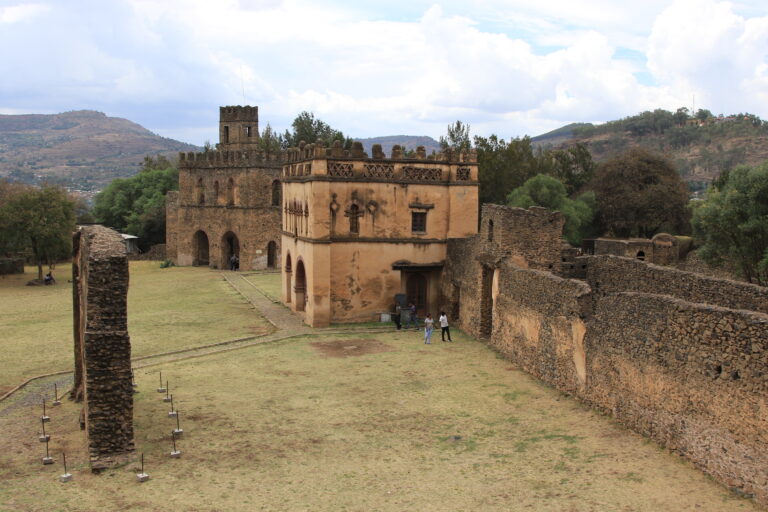
- The northern historic circuit: Lalibela, Gondar's castles, the Simien Mountains and the monasteries of Lake Tana. This suits history, architecture and highland scenery.
- The southern cultural route: the Omo Valley's distinct communities, reached through towns like Jinka, for travelers focused on living culture and photography.
- The eastern extremes: the Danakil Depression, with its sulphur springs, salt caravans and active lava lake, for geology and adventure.
- Wildlife and birding: the Bale and Simien highlands, home to the endemic Ethiopian wolf and strong birding opportunities.
Once you pick your clusters, a planner works backward from the logistics. Distances are long and some regions are reached more efficiently by domestic flight than by road, so the sequence of days matters as much as the list of places. A custom itinerary accounts for travel time honestly, rather than squeezing in a site you would only glimpse from a car window.
It also helps to think about your own rhythm. Some travelers want a site every day; others want built-in rest, a slower morning after a long drive, or a free afternoon to wander a market. A tailor-made plan writes those preferences in from the start.
Private Guides, Drivers and Flexible Pacing
A private tour usually pairs you with a dedicated guide and a driver who knows the roads, the conditions and the local context. This is where custom travel earns its keep day to day.
Because the guide works only with your party, the schedule stays flexible on the ground. If the light is perfect at a viewpoint, you linger. If a village market is in full swing, you stop. If someone is tired, you adjust the afternoon. None of that is possible when a bus of strangers is waiting.
Good guides add depth that no guidebook matches. Ethiopia has more than 80 ethnic groups and a long, layered history, so context turns a photogenic site into something you actually understand. A guide also smooths the practical details: local etiquette, respectful photography in tribal areas, and the small courtesies that make encounters genuine rather than transactional.
A private driver matters just as much. Road conditions vary widely, and having a professional who knows the routes frees you to watch the landscape instead of the map. For long transfers between regions, that expertise directly shapes how comfortable and realistic a day feels.
Ideal for Families, Photographers and Special Interests
Private tours shine whenever a trip has a specific focus, and several kinds of travelers benefit most.
Families gain pacing control. Younger children and older relatives rarely thrive on a rigid group schedule, so the ability to shorten a drive, add a pool afternoon or swap a strenuous hike for a gentler walk keeps everyone happy. The itinerary bends to the group instead of the other way around.
Photographers need time and timing. Private travel lets you reach a site for first light, wait for a scene to develop, or return to a location the next day. In the Omo Valley especially, unhurried visits produce more respectful and more rewarding images than a quick stop ever could.
Special-interest travelers get a plan built for their subject. Birders can prioritize endemic hotspots. History enthusiasts can go deep on the medieval churches and royal sites. Those interested in human origins can visit the Afar region, where the famous early hominin fossil known as Lucy was found. A private itinerary makes the niche the whole point rather than a side note.
Culture-focused travelers also find private trips easier to time around events. Ethiopia follows a distinct calendar of 13 months, and major festivals such as the New Year celebration of Enkutatash fall on dates that a tailor-made plan can be built around deliberately.
How to Request and Refine a Custom Quote
Getting a custom quote is simpler than most travelers expect. The process is a short conversation, not a commitment, and a good operator does the heavy lifting of turning your ideas into a workable route.
Start by sharing four things:
- Your dates and trip length. Even approximate timing helps, since season affects both road access and pricing.
- Your interests. Name the clusters that matter most, such as the historic north, the Omo Valley or the Danakil.
- Your travel style. Comfort level, preferred accommodation, and how packed or relaxed you want each day to be.
- Your group and budget. Group size strongly affects the per-person cost, because the price of a private guide and vehicle is shared across everyone in your party.
From there, a planner sends a draft itinerary. This is the part where private travel pays off: you refine it. Move a rest day, add a night in Lalibela, trade a long drive for a short flight, or swap one region for another. At Yenew, this back-and-forth is built into how a trip is shaped, so the version you book is one you have already adjusted to fit.
If budget is your main constraint, say so early. A planner can suggest where to economize without gutting the experience, and our guide to affordable ways to travel Ethiopia covers the trade-offs in more detail.
When you are ready, gather your rough dates and top two or three interests, then send them over for a draft itinerary. One short exchange is usually enough to see a realistic version of your trip on paper, with no obligation to book.
Frequently asked questions
How much does a private tour of Ethiopia cost?
Private tour pricing depends on your route, trip length, accommodation level and group size. Because the cost of a private guide and vehicle is shared across your group, larger parties lower the per-person rate. Request a custom quote for an accurate figure.
Is a private tour better than a group tour in Ethiopia?
A private tour gives you control over pace, route and daily choices, which matters in a country where highlights are spread far apart. Group tours are usually cheaper but follow a fixed schedule.
How far in advance should I book a private Ethiopia tour?
Booking a few months ahead is wise, especially around major festivals and the dry season, when lodges and domestic flights fill quickly. A custom itinerary also needs lead time to refine.
Can a private itinerary combine historic sites with wildlife and culture?
Yes. A common custom route links the northern historic circuit, such as Lalibela, with southern tribal regions like the Omo Valley and highland wildlife areas, all paced to your preferences.