Key takeaways
- Ten days is enough to see the core northern circuit: Bahir Dar, Gondar, the Simien Mountains, Axum and Lalibela, without rushing.
- Fly between the main cities to save days; a full drive would eat most of your trip on winding highland roads.
- Lalibela's 11 rock-hewn churches were inscribed by UNESCO in 1978 and deserve a minimum of one and a half days.
- Build in at least one rest day or a short Simien trek so the altitude and early starts do not wear you down.
- The route adapts well: trim Axum if you are short on time, or add days for deeper trekking in the Simien range.
Ten days is enough to travel the full historic circuit of northern Ethiopia without feeling rushed, as long as you fly the long legs and keep your walking days balanced. This Ethiopia itinerary moves through Bahir Dar, Gondar, the Simien Mountains, Axum and Lalibela, with clear advice on how many days each stop needs and where to slow down.
The northern highlands hold four UNESCO World Heritage Sites within a single loop. You will see island monasteries on Lake Tana, royal castles at Gondar, dramatic escarpments in the Simien range, ancient stelae at Axum, and the rock-hewn churches of Lalibela. The plan below favors flights over long drives so your energy goes into the sites, not the road.
What does this 10-day Ethiopia itinerary look like?
The classic 10 days in Ethiopia runs Bahir Dar to Gondar to the Simien Mountains to Axum to Lalibela, bookended by flights through Addis Ababa. This sequence follows the natural geography of the highlands and keeps backtracking to a minimum. Each city anchors one to two nights, with a trekking break built into the middle.
Here is the day-by-day shape:
- Days 1 to 2: Bahir Dar. Arrive by morning flight from Addis Ababa. Boat out to the Lake Tana monasteries and visit the Blue Nile Falls.
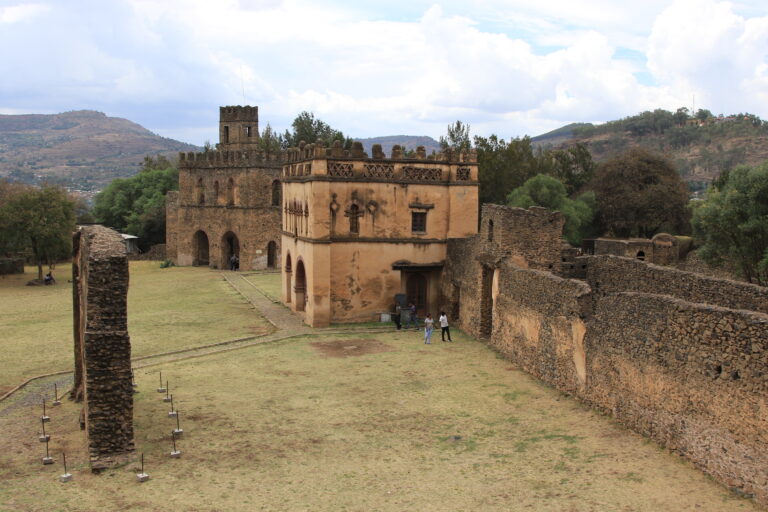
- Day 3: Gondar. Short drive or flight north. Tour the royal enclosure and Debre Berhan Selassie church.
- Days 4 to 5: Simien Mountains. Drive into the park for one or two nights of trekking and wildlife.
- Day 6: Axum. Fly north to the ancient capital. See the stelae field and archaeological museum.
- Days 7 to 8: Lalibela. Fly to the rock-hewn churches. Spend a full day and a half across both church clusters.
- Days 9 to 10: Rest and return. Buffer day for a short hike or relaxed morning, then fly back through Addis Ababa.
If you want the route handled end to end, Yenew builds this circuit as a guided package with domestic flights, park permits and local scouts arranged in advance. For travelers who prefer to shape their own version, our custom private tour planning covers the same ground at your own pace.
How many days should you spend at each site?
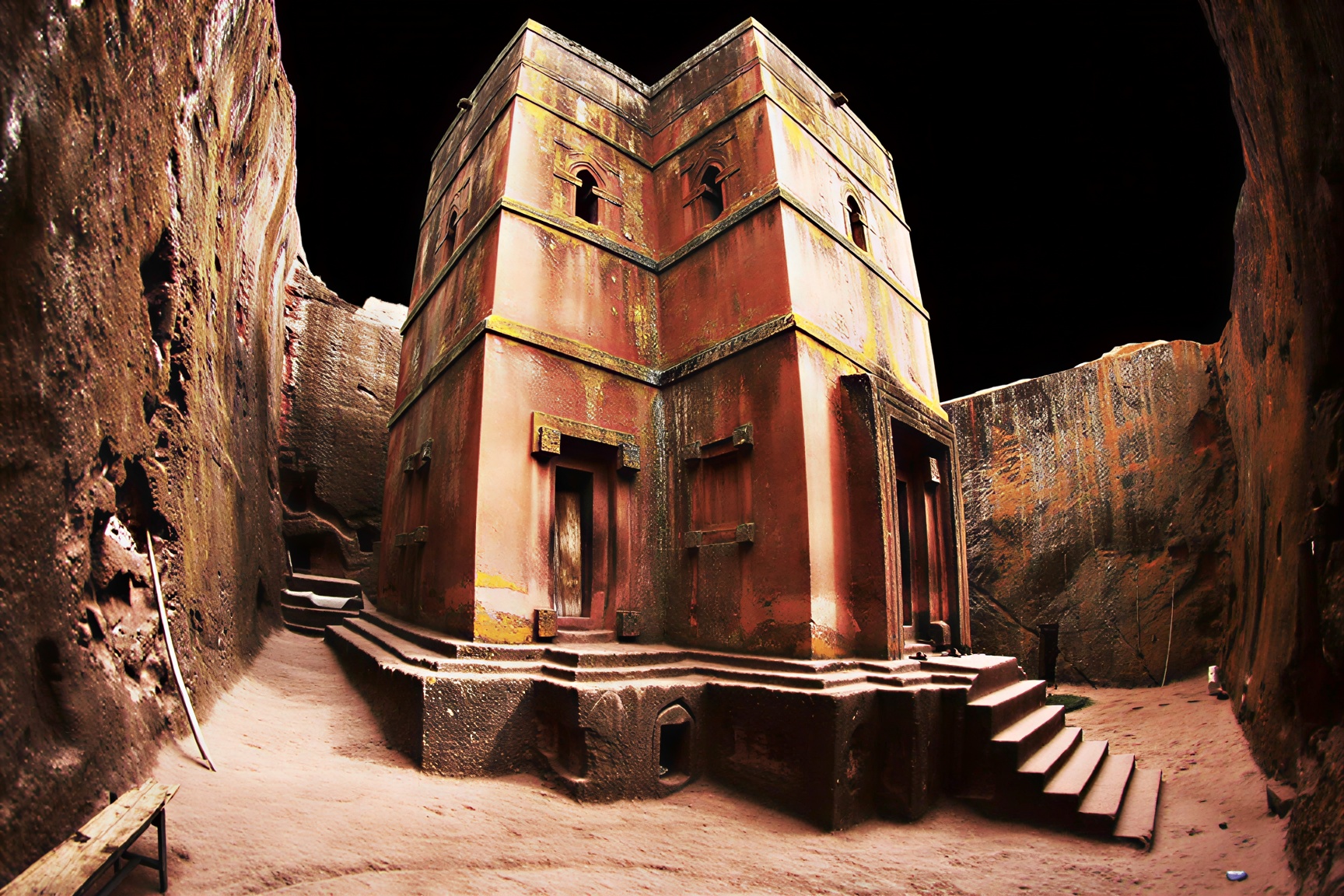
Give Lalibela the most time and keep single-sight cities like Axum to one night. Lalibela holds 11 medieval monolithic rock-hewn churches, inscribed by UNESCO in 1978 (UNESCO World Heritage Centre, 1978), and the carvings reward slow visits across morning and afternoon light. A rushed half-day here is the most common regret on this route.
A workable split looks like this:
- Bahir Dar: 2 nights. Lake Tana monasteries take a half-day by boat, and the Blue Nile Falls fill another.
- Gondar: 1 night. The royal enclosure and nearby church cover a solid half-day.
- Simien Mountains: 1 to 2 nights. One night gives you a taste; two lets you reach higher viewpoints.
- Axum: 1 night. The stelae, tombs and museum sit close together and suit a focused day.
- Lalibela: 2 nights (1.5 days of sightseeing). The two church clusters plus Bete Giyorgis need unhurried time.
For a deeper look at the island churches, our guide to the Lake Tana monasteries of Bahir Dar breaks down which ones are worth the boat ride.
Should you drive or fly between the northern cities?
Fly the long legs and drive only the short, scenic stretches. The northern cities are linked by domestic flights that turn full-day drives into short hops, which is the single biggest time-saver on a 10-day plan. Attempting the whole loop by road would consume several days on winding highland highways.
A practical mix works best. Fly Addis Ababa to Bahir Dar at the start, and fly the Axum and Lalibela legs, since those drives are long and mountainous. Keep the car for Gondar to the Simien foothills, a short run that shows off the terraced countryside. Driving between Bahir Dar and Gondar is also reasonable, at roughly a half-day on the road.
Our finding: On repeat trips through the north, the travelers who flew the Axum and Lalibela legs consistently kept a full extra day of sightseeing compared with those who tried to drive the circuit.
Flying also sidesteps the fatigue of back-to-back road days at altitude. If your budget is tight, a mixed plan that drives the Bahir Dar to Gondar stretch and flies the rest strikes a sensible balance, and it is worth asking your operator where the real savings sit.
What are the must-see highlights on the historic circuit?
Four UNESCO World Heritage Sites headline the route, and each one earns its place. The highlights span 15 centuries of history, from the stelae of Axum to the castles of Gondar. These are the stops that define the northern circuit.
- Lake Tana monasteries, Bahir Dar. Painted island churches reached by a gentle morning boat ride.
- Fasil Ghebbi, Gondar. A 17th-century royal compound on the UNESCO World Heritage list, a walled enclosure of castles and halls built under Emperor Fasilides.
- Simien Mountains National Park. Inscribed by UNESCO in 1978, with Ras Dashen rising to 4,550 metres as Ethiopia's highest peak (Wikipedia).
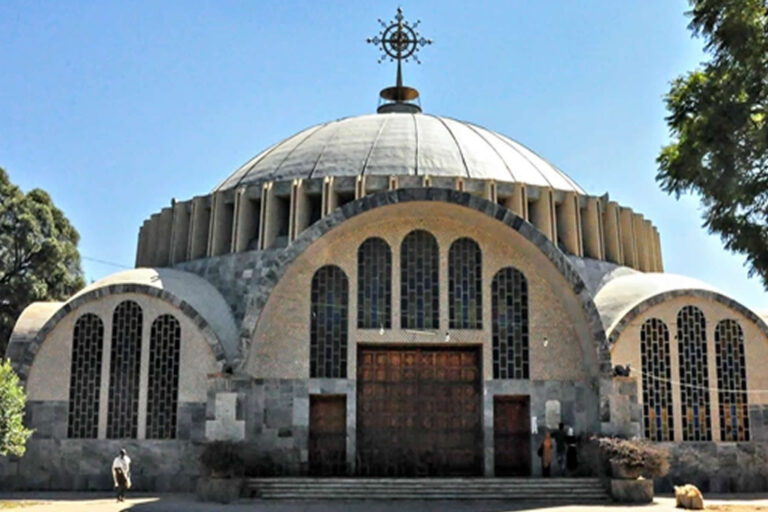
- Axum stelae field. Towering carved obelisks marking the heart of the ancient Aksumite kingdom.
- Lalibela rock-hewn churches. Eleven monolithic churches carved down into the rock, still active places of worship.
The Simien range is also prime wildlife country. The park shelters the gelada baboon, the endangered Walia ibex found nowhere else, and the Ethiopian wolf. Ask your guide where the large grazing gelada troops gather, since they move with the seasons across the plateau.
Where should you add rest days or a short trek?
Place your rest day after the Simien Mountains or near the end in Lalibela. Early starts, domestic flights and altitude add up, so one slower day keeps the back half of the trip enjoyable. The Simien section is also the natural spot to swap sightseeing for a short trek.
Two easy ways to build in breathing room:
- A Simien day hike. Even a half-day walk along the escarpment delivers big views and gelada sightings without committing to a multi-day trek. Longer treks of two to three days are available if you extend the trip.
- A relaxed Lalibela morning. After a full day among the churches, a slow second morning lets the carvings sink in before your return flight.
Altitude matters here. Much of the route sits above 2,000 metres, and the Simien plateau climbs far higher, so pace your first days and drink plenty of water. A rest day earns its place on this itinerary, because it is what makes the ambitious parts enjoyable.
How can you adapt the 10-day plan to your pace?
The route flexes easily in both directions. The core loop of Bahir Dar, Gondar, Simien and Lalibela holds together even if you trim a stop, and Axum is the usual first cut when time is tight. The sequence below keeps the itinerary logical whether you compress or expand it.
To go faster, drop Axum and shorten Simien to a single night, which brings the trip to a tight seven or eight days focused on the castles and churches. To go deeper, add two days for a proper Simien trek, or extend Lalibela to catch both church clusters at an unhurried pace.
Timing shapes the experience too. The dry months of October to March bring clear Simien views and comfortable walking. Travel in January and you can fold in the Timkat Epiphany festival, one of the most striking religious events in the country, with Lalibela and Gondar among the best places to witness it.
Start by fixing your two non-negotiable stops, almost always Lalibela and the Simien Mountains, then book those domestic flights first and let the rest of the plan settle around them. From there, a short message to a local operator can confirm park permits, scouts and lodge availability so the only thing left to do is show up and walk into the history.
Frequently asked questions
Is 10 days enough to see northern Ethiopia?
Yes. Ten days covers the historic circuit of Bahir Dar, Gondar, the Simien Mountains, Axum and Lalibela at a steady pace, provided you fly between the main cities rather than drive the full loop.
Should I fly or drive between the northern cities?
Fly for the long legs. Domestic flights turn full-day drives into short hops, which protects your sightseeing time. Keep driving for short scenic stretches like Gondar to the Simien foothills.
How many days should I spend in Lalibela?
Plan at least one and a half days. The 11 rock-hewn churches split into two clusters plus Bete Giyorgis, and the carvings reward slow, unhurried visits across both morning and afternoon light.
When is the best time to travel the historic north?
October to March brings dry, clear weather, ideal for Simien views and comfortable walking. January adds the Timkat festival, one of the most vivid religious celebrations in the country.
Do I need a permit or guide for the Simien Mountains?
Yes. Entry to Simien Mountains National Park requires a park fee and a local scout, and most visitors use a licensed guide. A tour operator arranges these in advance so you do not lose time at the gate.