Key takeaways
- Ethiopia holds 12 UNESCO World Heritage Sites, so a single well-planned tour can cover several of them (UNESCO).
- The northern loop suits history lovers, pairing the 11 rock-hewn churches of Lalibela with Gondar, Axum, and the Simien Mountains.
- The southern route is the culture pick, built around Omo Valley communities and the Rift Valley lakes.
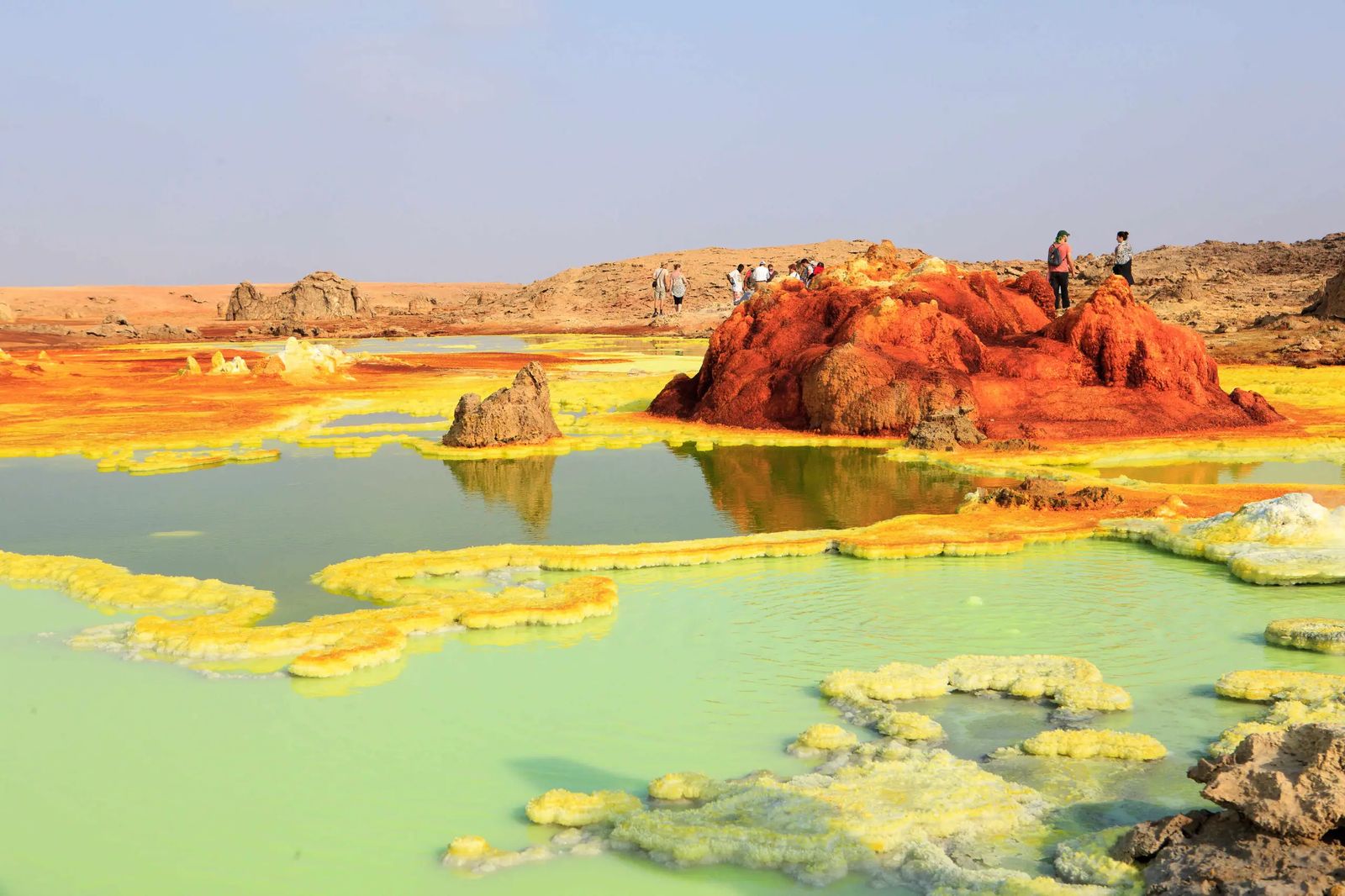
- The Danakil Depression and its Erta Ale lava lake are the top choice for adventure travelers who want extremes.
- Compare tours on route, group size, guide expertise, and how well the itinerary matches your travel pace.
The best Ethiopia tours fall into three clear tracks: a northern historic loop for lovers of ancient churches and castles, a southern route built around living cultures and the Rift Valley lakes, and a hard-edged adventure run through the Danakil Depression. Which one is right for you depends on whether you want history, human culture, or raw landscape at the center of your trip.
Ethiopia rewards travelers who plan. The country holds 12 UNESCO World Heritage Sites, 10 cultural and 2 natural, which is more than almost anywhere else in Africa, according to the UNESCO World Heritage Centre. That density means a single guided tour can string together several world-class sites without wasting days in transit. Below, we break down the top-rated options by theme, then show you how to compare them and choose.
What are the top-rated Ethiopia tours by theme?
Most strong Ethiopia itineraries sort into three themes: history, culture, and adventure. The northern circuit owns the history category, the south owns culture, and the northeast desert owns adventure. Nearly every reputable operator, including Yenew at GishAbay Ethiopia Tour, builds its flagship packages around one of these three spines.
Picking a theme first makes every later decision easier. It sets your season, your fitness requirement, and your rough budget. A history trip is gentle on the body and heavy on early mornings at churches. An adventure trip asks for heat tolerance and flexibility. A culture trip sits in between, with long drives traded for genuine time in local communities.
If you are still weighing the country as a whole, a good starter guide walks through visas, seasons, and rough costs before you commit to a theme.
Which northern loop tour is best for history?
The northern historic loop is the best Ethiopia tour for history, and it centers on Lalibela's 11 medieval monolithic rock-hewn churches, carved in the 13th century and inscribed by UNESCO in 1978 (UNESCO World Heritage Centre). A standard loop links Lalibela with Gondar, Axum, and the Simien Mountains over roughly 8 to 10 days.
Each stop plays a different role. Lalibela is the spiritual heart, with churches cut down into solid rock rather than built up from it. Gondar brings the 17th-century royal enclosure and its stone castles. Axum reaches back to an ancient kingdom and its towering stelae. The Simien Mountains add a natural counterweight to all that stone.
That mix is why the loop suits a first visit. You get religion, royalty, antiquity, and mountain air in one arc. Read up on the individual churches at Lalibela before you go, since each one carries its own story and layout.
The loop also ends on a high note, literally. Ras Dashen, Ethiopia's highest peak, rises to 4,533 meters inside the Simien range, per Encyclopaedia Britannica. You do not have to summit it to enjoy the park, but the cliffs and gelada troops make the Simiens a strong finish to a history-first trip.
Which southern tour is best for culture?
The southern tour is the best choice for culture, and it is built around the Omo Valley and the Rift Valley lakes. The Lower Valley of the Omo is itself one of Ethiopia's UNESCO sites, recognized for both its human communities and its record of early human origins.
What makes this route special is time spent with people, not just monuments. Southern itineraries slow down so you can visit markets, attend ceremonies, and learn how distinct communities live along the river. The Rift Valley lakes add birdlife and calmer days between the longer cultural drives.
This trip asks for the right mindset. Roads are rougher and distances are real, so patience pays off. If you want to understand the region before booking, our Omo Valley travel guide covers the communities, the etiquette, and what a respectful visit looks like.
Culture-led travelers often pair the south with a shorter northern add-on. That combination stretches a trip toward two weeks, but it gives you both the ancient-stone side of Ethiopia and its living-culture side in one journey.
Which adventure tour is best for extremes?
The Danakil Depression is the best Ethiopia tour for adventure, and its centerpiece is the Erta Ale volcano. Erta Ale has hosted an active lava lake since at least 1967, making it one of only a handful of persistent lava lakes on Earth, according to the Smithsonian Global Volcanism Program.
The Danakil is one of the most extreme places you can visit. Parts of the wider Afar depression sit more than 500 feet below sea level, and summer temperatures can climb above 120 degrees Fahrenheit, National Geographic reports. You come here for glowing lava, neon sulfur fields, and salt flats that look like another planet.
This is not a trip to attempt alone. The heat, the terrain, and the permit requirements all demand an experienced operator with local guides and proper vehicles. Our Erta Ale lava lake adventure guide explains what a night at the crater rim actually involves.
Because it is so demanding, the Danakil usually works best as a short, focused module of 3 to 4 days rather than a full trip. Many travelers bolt it onto a northern loop, since both sit in the same half of the country.
How do you compare tours and pick the right one?
Start by matching the theme to your goal, then compare four things: route, group size, guide expertise, and pace. A tour that looks cheap can still be the wrong tour if the route skips what you actually came to see, or if the days move faster than you want.
Route is first because it determines value. Check that the stops you care about are real overnights, not drive-through photo stops. Group size shapes the feel of the trip, since small groups reach places large coaches cannot and give you more time with your guide. Guide expertise matters most in the south and the Danakil, where local knowledge is the difference between a good day and a wasted one.
Pace is the quiet dealbreaker. Some operators pack itineraries so tightly that you spend the trip in transit. Ask how many hours per day you will drive and how long you actually stop at each site. A detailed package comparison, side by side, quickly shows which operator respects your pace.
One more filter: trust. A good operator answers hard questions plainly, shares a clear day-by-day plan, and handles permits without drama. That is where a specialist like Yenew earns its place, by building routes around what you want rather than a fixed template.
Ready to book?
Pick your theme first: history in the north, culture in the south, or extremes in the Danakil. Once you know which one pulls at you, send that single word to a specialist operator like Yenew and ask them to build the route around it. Tell them your travel dates, your fitness level, and the one site you refuse to miss, and let a tailored itinerary come back to you rather than trying to force yourself into a fixed package.
Frequently asked questions
What is the best Ethiopia tour for first-time visitors?
The northern historic loop is the most popular first trip. It covers Lalibela, Gondar, Axum, and the Simien Mountains, giving you religious history, castles, and mountain scenery in one route.
How many days do you need for a good Ethiopia tour?
Plan 8 to 12 days for one region. A northern loop fits comfortably in about 10 days, while combining north and south, or adding the Danakil Depression, pushes you toward two weeks.
When is the best time to book Ethiopia tours?
The dry season from October to March is the most reliable for road travel and trekking. Book two to three months ahead for these months, since guides and vehicles fill quickly.
Are the Danakil Depression and Erta Ale safe to visit?
They are extreme environments with heat above 120 degrees Fahrenheit, so go only with an experienced operator that arranges permits, local guides, and logistics. Independent travel there is not advised.