Key takeaways
- The Rift Valley lakes of Ethiopia sit along the Great Rift Valley and rank among the country's richest birdwatching areas.
- Lake Awassa, Lake Ziway, and Abijatta-Shalla Lakes National Park are the three most accessible and rewarding stops.
- Abijatta-Shalla protects alkaline soda lakes that draw flamingos, plus a deep crater lake that hosts pelican breeding colonies.
- Ethiopia hosts hundreds of bird species and close to a score of endemics, giving the region strong appeal for serious birders.
- The dry months from October to March bring the best light, easier roads, and large concentrations of resident and migratory birds.
The Rift Valley lakes of Ethiopia form a string of freshwater and soda lakes running south from Addis Ababa, and they hold some of the finest birding in East Africa. If you want flamingos, pelicans, hippos, and steaming hot springs within a few hours of the capital, this is where to go. This guide covers the main lakes, the top birding spots, the wildlife worth planning around, how to link the lakes with a journey into the Omo Valley, and the seasons that reward you most.
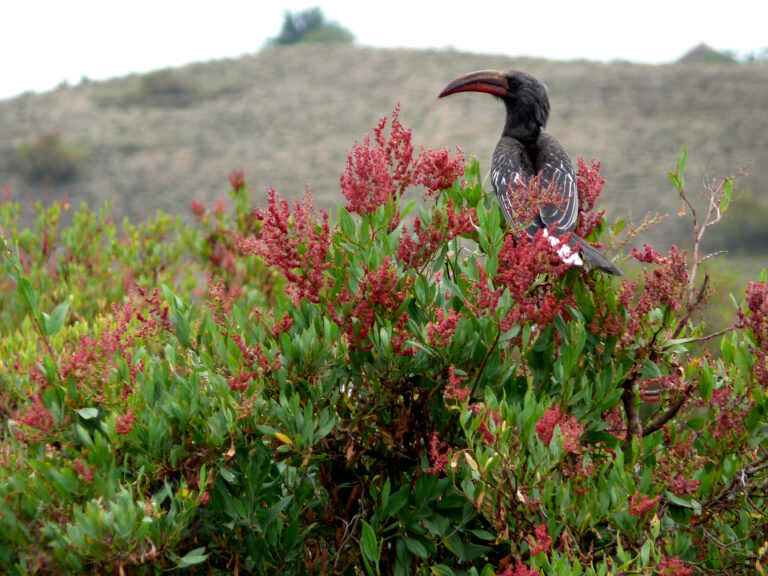
Ethiopia counts hundreds of bird species, with close to a score found nowhere else on earth, which places it among the continent's premier birding countries. Much of that diversity gathers along the water, so a short loop through the Rift Valley can produce a species list that takes weeks to build elsewhere.
Overview of the Main Rift Valley Lakes and Their Wildlife
The Great Rift Valley cuts across Ethiopia from the Danakil in the north to the Kenyan border in the south. In the central section, the valley floor cradles a chain of lakes that sit within easy reach of each other: Ziway, Langano, Abijatta, Shalla, and Awassa. Each has its own character. Some are fresh and green, ringed with reeds and fig trees. Others are alkaline soda lakes with pale shorelines and mineral-rich water.
That variety is exactly why the birding is so good. Freshwater lakes such as Awassa and Ziway pull in kingfishers, herons, storks, weavers, and fish eagles. The soda lakes concentrate algae that feed thousands of flamingos. Islands and cliffs give pelicans and cormorants safe places to nest. Add the acacia woodland and grassland between the lakes, and a single day can move from waterbirds to raptors to bush species without much driving.
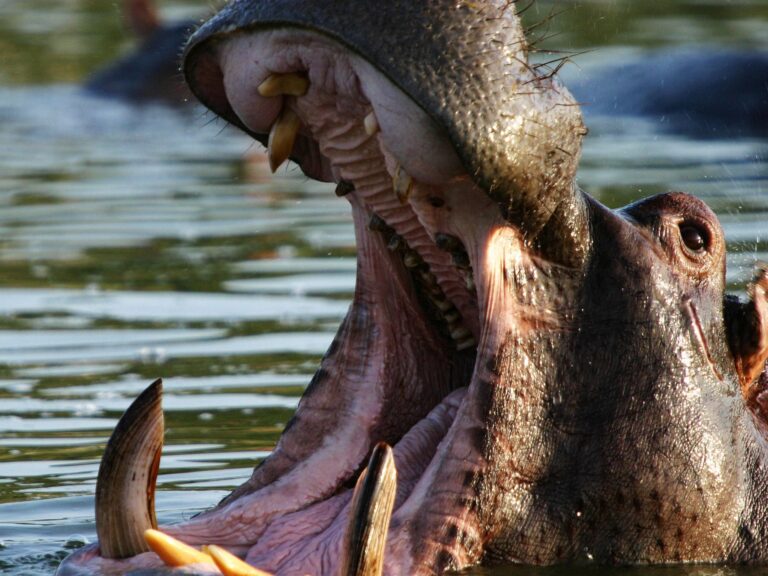
Beyond birds, the lakes support hippos, monitor lizards, and troops of colobus and vervet monkeys along the wooded shores. The combination of accessible wildlife and comfortable lodges makes this one of the gentlest introductions to Ethiopian nature, and a natural first leg before harder trips deeper into the highlands or the far south.
Top Birding Spots: Lake Awassa, Ziway, and Abijatta-Shalla
Three destinations deserve the bulk of your time.
Lake Awassa (Hawassa)
Lake Awassa is the easiest lake to bird and the most enjoyable base. It is a freshwater lake fringed with lush vegetation, and the shoreline path near town gives close views of hamerkops, weavers, kingfishers, and pelicans. Surveys of the lake have recorded well over a hundred species from dozens of bird families, a strong count for a single lake and a sign of how productive these waters are.
The morning fish market on the northern shore is a spectacle in its own right. As fishermen clean the day's catch, hundreds of marabou storks, pelicans, and gulls crowd in for scraps, giving photographers a rare chance at large birds at arm's length.
Lake Ziway
Lake Ziway is the northernmost of the central lakes and the shallowest of the freshwater group. Its reedy margins and open water draw great white pelicans, African fish eagles, jacanas, and a rotating cast of migratory ducks and waders. The jetty area is reliable for close encounters, and the lake's islands hold ancient monasteries that add a cultural layer to a birding stop.
Abijatta-Shalla Lakes National Park
Abijatta-Shalla Lakes National Park pairs two very different lakes inside one protected area established in the 1970s. Lake Abijatta is a shallow, highly alkaline soda lake, while neighbouring Lake Shalla is a deep volcanic crater lake, one of the deepest lakes in the region. The park is recognised as an Important Bird Area by BirdLife International, and its shores and islands are a magnet for waterbirds. This is the place to come for flamingos and for one of the region's great wildlife sights, described in the next section.
Hippos, Flamingos, and Hot Springs to See
The Rift Valley lakes reward you with more than a bird list. A few sights stand out.
Flamingos on the soda water. Lake Abijatta's alkaline chemistry encourages blooms of algae that both greater and lesser flamingos feed on. When conditions are right, the birds gather in loose pink drifts along the windward shore, wading and filtering the shallow water. Numbers rise and fall with water levels and algae, so a guide who knows the current shoreline is a real advantage.
Pelican colonies at Shalla. The islands of Lake Shalla shelter breeding colonies of great white pelicans, one of the more remarkable seabird-style spectacles found so far inland. The pelicans nest on the crater lake's islands and commute to feed on nearby waters, and the sight of squadrons gliding low over the lake is unforgettable.
Hippos at close range. Lake Awassa and other freshwater lakes hold hippos that surface and grunt within view of the shore. Early morning and late afternoon are the best times to watch them, ideally from a boat with a guide who keeps a safe distance.
Hot springs. Geothermal activity along the rift produces hot, sulphurous springs around the shores of Shalla, where steam rises from the ground and mineral pools bubble at the water's edge. They are a reminder that this whole landscape sits on an active tectonic seam, the same deep geology that shapes so much of Ethiopia's dramatic scenery.
Combining the Lakes with the Omo Valley Route
The Rift Valley lakes sit directly on the main road running south from Addis Ababa, which makes them a natural first stage of a longer journey into the deep south. Most trips to the Omo Valley, home to some of Ethiopia's most distinct cultural communities, pass straight through the lakes region on the way.
That geography lets you build a single, efficient route. You can spend the first days birding Ziway, Abijatta-Shalla, and Awassa, then continue south through Arba Minch toward the Omo. The pacing works well: gentle wildlife watching and comfortable lakeside lodges early on, followed by the more remote cultural travel of the south. Travellers who prefer to keep the whole trip cultural can instead loop the lakes into a broader itinerary of living traditions and community visits.
Because the road south is long and the best birding sites are easy to miss without local knowledge, this is a route where a planned itinerary pays off. Yenew builds guided journeys that thread the lakes into the wider southern circuit, so you cover the birding highlights without doubling back or losing time.
Best Seasons and How to Arrange a Guided Nature Trip
The dry season, from roughly October to March, is the prime window. Roads are firm, skies are clear, and the light is ideal for photography. This period also overlaps with the arrival of migratory birds wintering away from Europe and Asia, so resident species are joined by ducks, waders, and warblers that swell the totals. The short rains in spring and the main rains from June to September can make some tracks difficult and cloud the shorelines, though the landscape turns green and resident birds are still active.
Whatever the month, an early start matters. Birds are most active in the first hours after dawn, when the air is cool and the water calm, and the same is true for hippos and flamingos.
Arranging a guided nature trip removes the two biggest obstacles: navigation and timing. A good local guide knows which shore the flamingos are using this week, where the pelicans are nesting, and how to reach the fish market before the crowds. To weigh your options before booking, this practical guide to choosing an Ethiopia travel agency walks through what to look for in an operator.
If the Rift Valley lakes are calling, start by sketching how many days you can give the south, then ask a specialist operator like Yenew to shape a route that pairs the lakes with the Omo Valley or the highlands. A short conversation about your target species and travel dates is enough to turn this guide into a real, bookable trip.
Frequently asked questions
Where are the Rift Valley lakes in Ethiopia?
They lie south of Addis Ababa along the Main Ethiopian Rift, a chain of lakes that includes Ziway, Langano, Abijatta, Shalla, and Awassa (Hawassa).
Which Rift Valley lake is best for birding?
Lake Awassa and Abijatta-Shalla Lakes National Park are the standouts. Awassa offers easy shoreline and wetland birding, while Abijatta draws flamingos to its soda water.
Can you see flamingos in Ethiopia's Rift Valley?
Yes. Both greater and lesser flamingos gather on the alkaline waters of Lake Abijatta, where they feed on algae that thrives in the soda-rich lake.
When is the best time to visit the Rift Valley lakes?
The dry season from October to March offers the most comfortable weather, reliable roads, and strong bird numbers, including wintering migrants from Europe and Asia.
How do I combine the lakes with the Omo Valley?
The lakes sit on the main road south from Addis Ababa, so most Omo Valley trips pass through them. A guided route lets you bird the lakes on the way to the tribal south.