Key takeaways
- Jinka sits at roughly 1,490 meters, the last town with reliable fuel, lodging and a hospital before the Omo Valley's remote tribal areas.
- Mago National Park covers 2,162 square kilometers and is the main gateway to Mursi villages, reachable as a day trip from Jinka.
- The South Omo zone is home to about 16 distinct ethnic groups, so timing visits around rotating market days is the key to meeting people respectfully.
- A practical loop runs Jinka to Key Afar, Turmi and Dimeka, then back, with Mago and the Mursi handled as a separate day from Jinka.
- Hiring a licensed local guide and a sturdy 4x4 is essential; roads are rough and photography etiquette with the tribes carries real rules.
If you are booking Omo Valley tours from Jinka, base yourself in town for three to four days and plan each day around a specific destination or market. Jinka is the practical staging post for South Omo: it has an airport, fuel, hotels and the region's main hospital, so you can run day trips to the Mursi, Ari and Mago, then return to a real bed each night.
This guide walks through why Jinka works as a base, which day trips make sense, how to read the market calendar, a suggested route through South Omo, and the logistics that decide whether a trip runs smoothly.
Why Jinka Is the Ideal Launch Point for Omo Tours
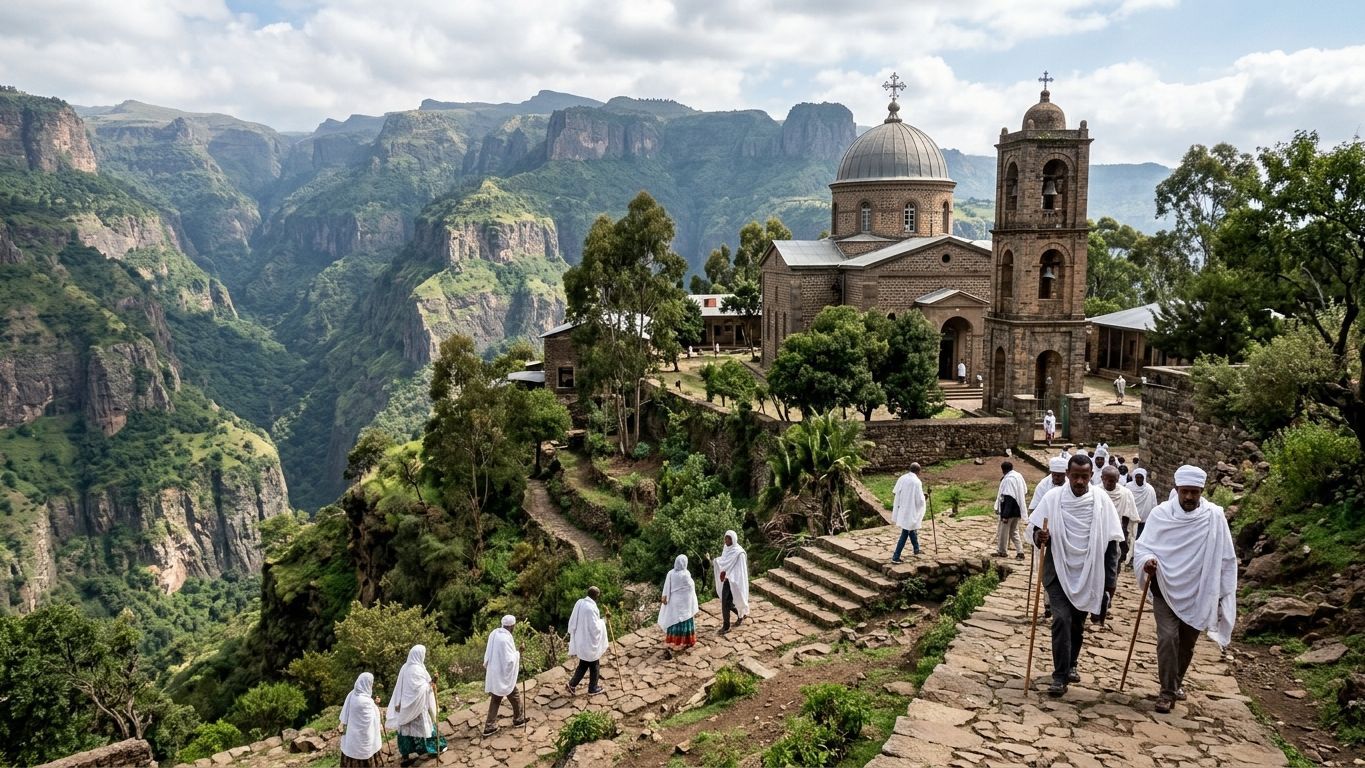
Jinka sits at roughly 1,490 meters in the highlands above the Omo lowlands, according to Wikipedia. That altitude matters: the town is cooler than the valley floor, and it is the last place with dependable services before the roads turn rough and remote.
Everything a traveler needs clusters here. Fuel stations, a scatter of hotels and guesthouses, mobile network coverage, and the South Omo zone's main hospital all sit within town. The South Omo Research Center and its small museum also sit on a hill above Jinka, giving useful context on the region's peoples before you meet them.
Jinka's airport connects to Addis Ababa, which cuts a punishing two-day overland drive down to a short flight. Many travelers fly in, run their day trips from a Jinka base, then fly out. That short flight saves time and spares you a hard two-day road journey each way.
Day Trips to Mursi, Ari and Mago from Jinka
The three most common day trips from Jinka are Mago National Park with the Mursi, the Ari farming communities on the highland slopes, and shorter market-focused outings. Mago National Park covers 2,162 square kilometers and was established in 1979 (Ethiopia CHM-CBD), and it is the gateway most tours use to reach Mursi villages.
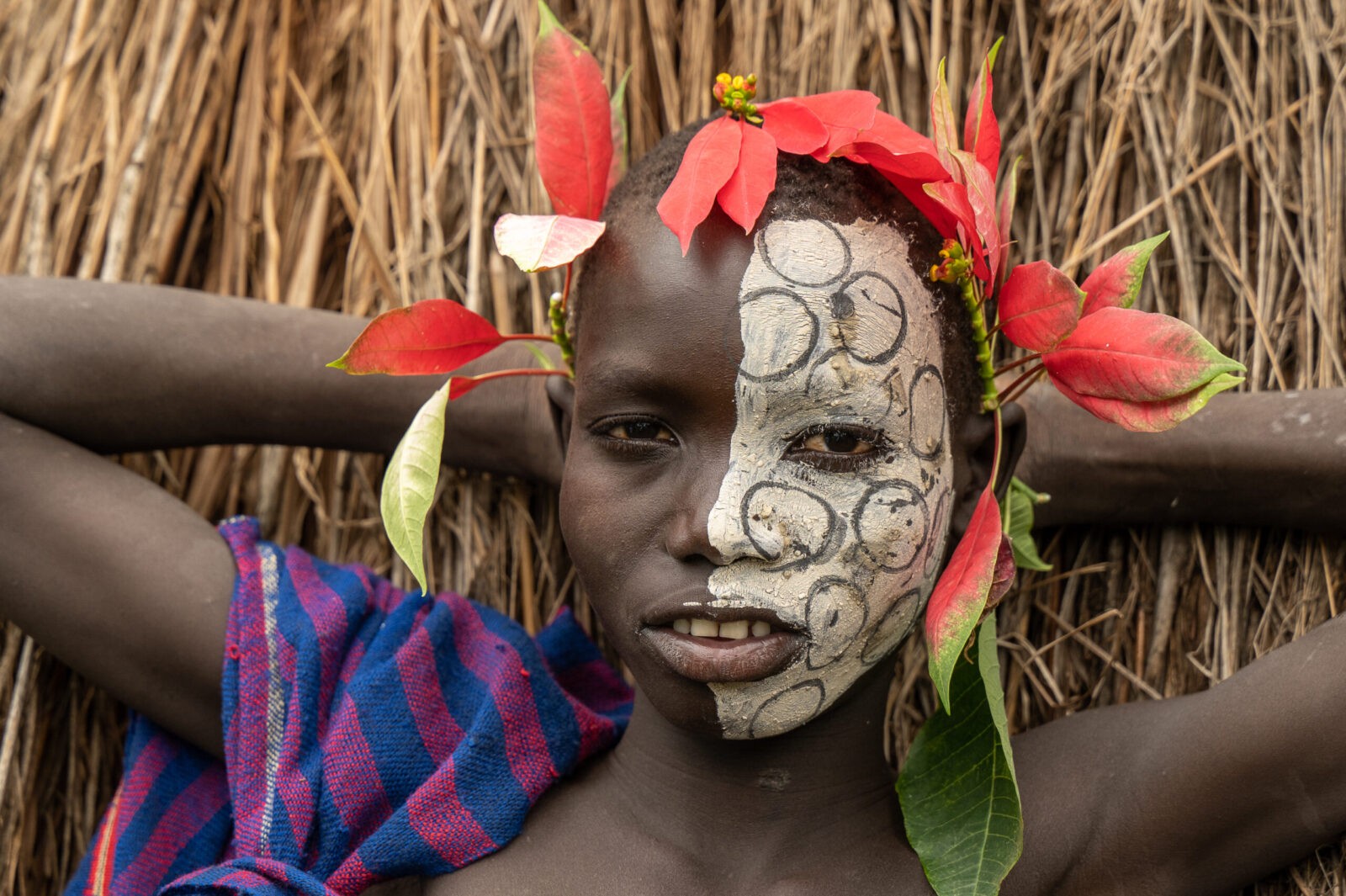
The Mursi day is the headline trip. You drive from Jinka into Mago, pick up a required armed park scout, and continue to a Mursi settlement. The Mursi are known for the clay lip plates worn by some women and for distinctive body decoration. Expect a rough half-day of driving round trip. To understand the culture before you go, read our background on the Mursi tribe and life in the Omo Valley, which explains the lip plates and daily life you will encounter.
The Ari are a different experience entirely. They live in the green highlands around Jinka, farming grain, coffee and enset, and a visit usually means walking through homesteads, seeing pottery and grain-grinding, and tasting local honey or distilled spirit. It is gentler than the Mago run and works well as a half day.
For the park itself, including its wildlife and the peoples who live within its boundaries, see our detailed Mago National Park guide.
Aligning Visits with Local Market Days
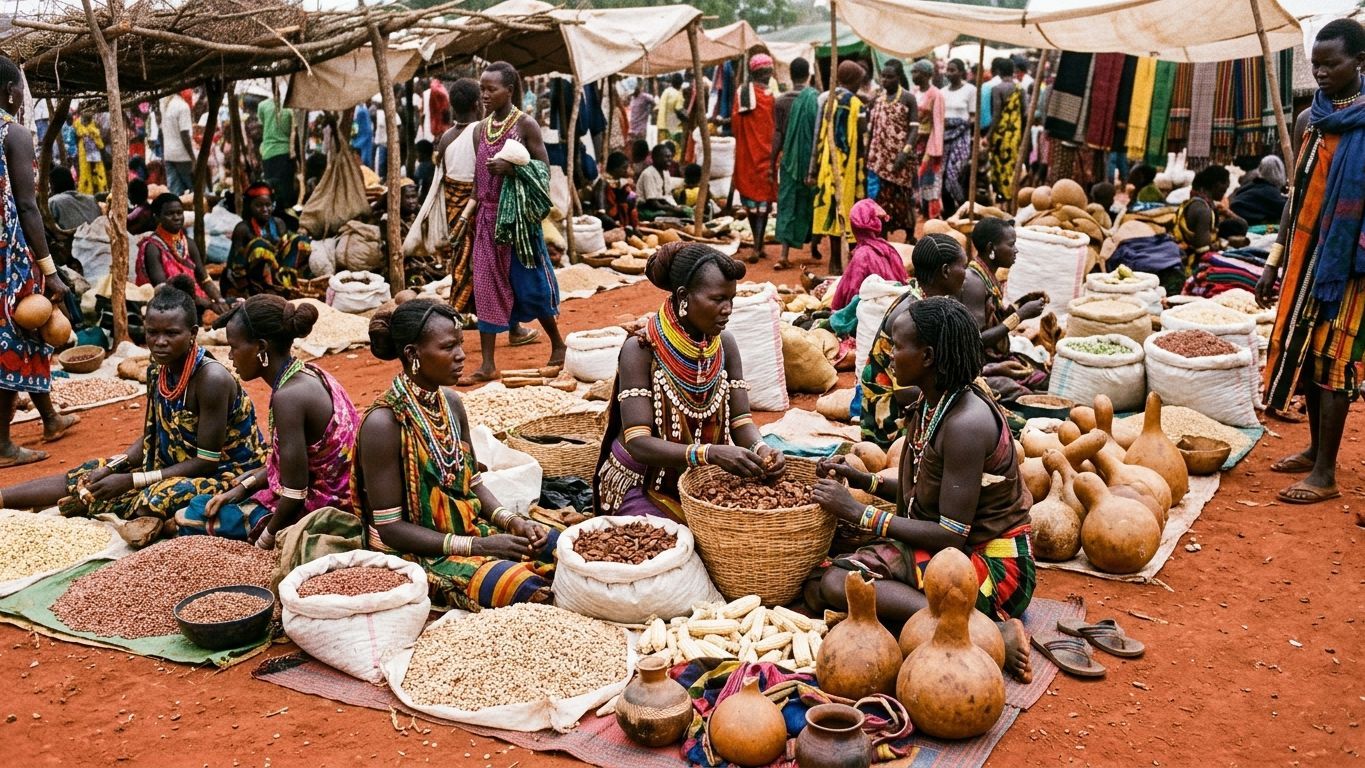
Markets are the single best way to meet Omo Valley people on neutral ground, so build your itinerary around the weekly calendar. The South Omo zone is home to around 16 distinct ethnic groups, by Rough Guides' count, and on market days they converge on a handful of towns to trade grain, livestock, honey, pots and crafts.
A rough weekly pattern most guides work with:
- Key Afar: Thursday is the big market, drawing Banna, Ari and Tsemay people.
- Dimeka: Saturday and a smaller Tuesday market, a Hamer stronghold.
- Turmi: Monday market, central to Hamer country.
- Jinka: Saturday is the main local market day in town.
Confirm these with a local guide before you lock in dates, because market days shift occasionally and holidays disrupt them. A market visit is lower pressure than a village call: people are there to trade, not to be photographed, which makes for more natural encounters. At Turmi and Dimeka you are in Hamer country, where you may witness the famous bull-jumping ceremony that marks a young man's passage to adulthood.
Recommended Route from Jinka Through South Omo
A sensible South Omo loop treats Jinka as the hub for two kinds of days: the Mago and Mursi run on its own, and a southern circuit through Key Afar, Turmi and Dimeka. Keeping these separate avoids cramming rough drives back to back and lets you match arrivals to market days.
A workable four-day shape looks like this:
- Day 1: Arrive and overnight in Jinka. Visit the South Omo Research Center and the Saturday market if the timing lands right.
- Day 2: Full day into Mago National Park to visit a Mursi village, returning to Jinka by evening.
- Day 3: Drive south through Key Afar (great on a Thursday), continuing toward Turmi for a night in Hamer country.
- Day 4: Dimeka market if it falls on a Saturday, then return north toward Jinka or push on to your next destination.
Distances are short on the map but slow on the ground. The drive south to Key Afar is a couple of hours, and Turmi is a half-day run over rough road, so budget hours, not minutes. If a bull-jumping ceremony or a festival coincides with your dates, reshuffle the order to catch it, since these events rarely run on a fixed schedule you can book around.
Logistics, Timing and Guide Tips
A successful Omo trip comes down to three things: the right vehicle, a licensed local guide, and a clear understanding of fees and photography rules. Mago National Park requires an armed scout for entry, and the deeper tracks demand a high-clearance 4x4, so independent self-driving is rarely practical here.
Timing. The dry season, roughly October to March, gives the best road conditions. Heavy rains can turn the Mago tracks and river crossings difficult or impassable, so wet-season travel needs buffer days.
Costs and etiquette. Expect layered fees: park entry, the scout, village entry, and a small per-photo payment that is normal practice in many Omo villages. Agree on these with your guide in advance to avoid friction on the spot. Always ask before photographing a person, and respect a no.
Cash. ATMs are scarce and unreliable once you leave Jinka, so carry enough small-denomination birr for fees and tips. Draw cash in Jinka or Addis Ababa before heading into the valley.
This is where a dedicated operator earns its place. Yenew arranges the 4x4, the licensed guide, park scouts and village introductions as one package from Jinka, so the fees, translation and timing are handled before you arrive. That turns a logistically tricky region into a straightforward, respectful set of visits.
Your next step is simple: pick your travel dates, check them against the market calendar above, and confirm whether a flight into Jinka or an overland route suits your plans better. With the base, the route and the timing sorted, the Omo Valley opens up as one of the most rewarding cultural journeys in Ethiopia.
Frequently asked questions
How many days do you need for Omo Valley tours from Jinka?
Plan at least three to four days based in and around Jinka. One full day covers Mago National Park and the Mursi, while the rest align with market days in Key Afar, Dimeka and Turmi.
Is Jinka a good base for visiting the Omo Valley?
Yes. Jinka has an airport, fuel, hotels, a hospital and the South Omo Research Center, making it the most practical launch point for day trips into Mago and the surrounding tribal lands.
Do you need a guide and a 4x4 for Omo Valley tours?
In practice, yes. Roads to Mursi territory and remote villages are rough and unsigned, armed scouts are required inside Mago, and a licensed guide handles translation, fees and photography etiquette.
When is the best time to visit the Omo Valley from Jinka?
The dry season from roughly October to March gives the best road access. Any time of year, plan your days around the weekly market calendar, since markets are when the tribes gather in town.