Key takeaways
- Jinka is a highland town in southern Ethiopia that serves as the main base for visiting the South Omo Valley's indigenous communities.
- The Saturday market draws Ari, Banna, and other local people and is one of the best places to see everyday Omo Valley life.
- The South Omo Research Center and Museum gives useful cultural context before you visit any village.
- Mago National Park and the Mursi villages sit southwest of town along rough roads, usually reached by 4×4 with a guide.
- You can fly into Jinka's airport from Addis Ababa or drive south, which takes one to two days.
Jinka is a small highland town in southern Ethiopia, and it is the place almost every Omo Valley trip runs through. If you want to meet the Mursi, browse a genuine regional market, or reach Mago National Park, Jinka is where you base yourself, hire a guide, and set out. This guide covers where Jinka sits, what to do in town, and how to get there.
The town has grown into the practical capital of the South Omo area. It has an airport, a cluster of lodges and guesthouses, fuel, and the guides and vehicles you need for the rougher roads beyond. For international travelers, that makes Jinka, Ethiopia the natural anchor for a wider southern circuit.
Where is Jinka and why does it anchor Omo Valley trips?
Jinka sits in the green highlands above the hot lowlands of the South Omo Valley. That position matters. The town is cool and comfortable, while the valley floor below holds the villages and the national park that most people come to see. You sleep in the highlands and descend for the day.
It works as a hub for simple reasons. The surrounding region is home to many distinct indigenous communities, each with its own language and customs. Reaching them means unpaved roads, river crossings, and local permissions. Jinka is where guides, drivers, and 4×4 vehicles gather, so it is the logical staging point.
If you are planning a full southern itinerary, our guide to Omo Valley tours: tribes, culture and itineraries explains how the different communities and routes fit together over several days.
What is the Saturday market like?
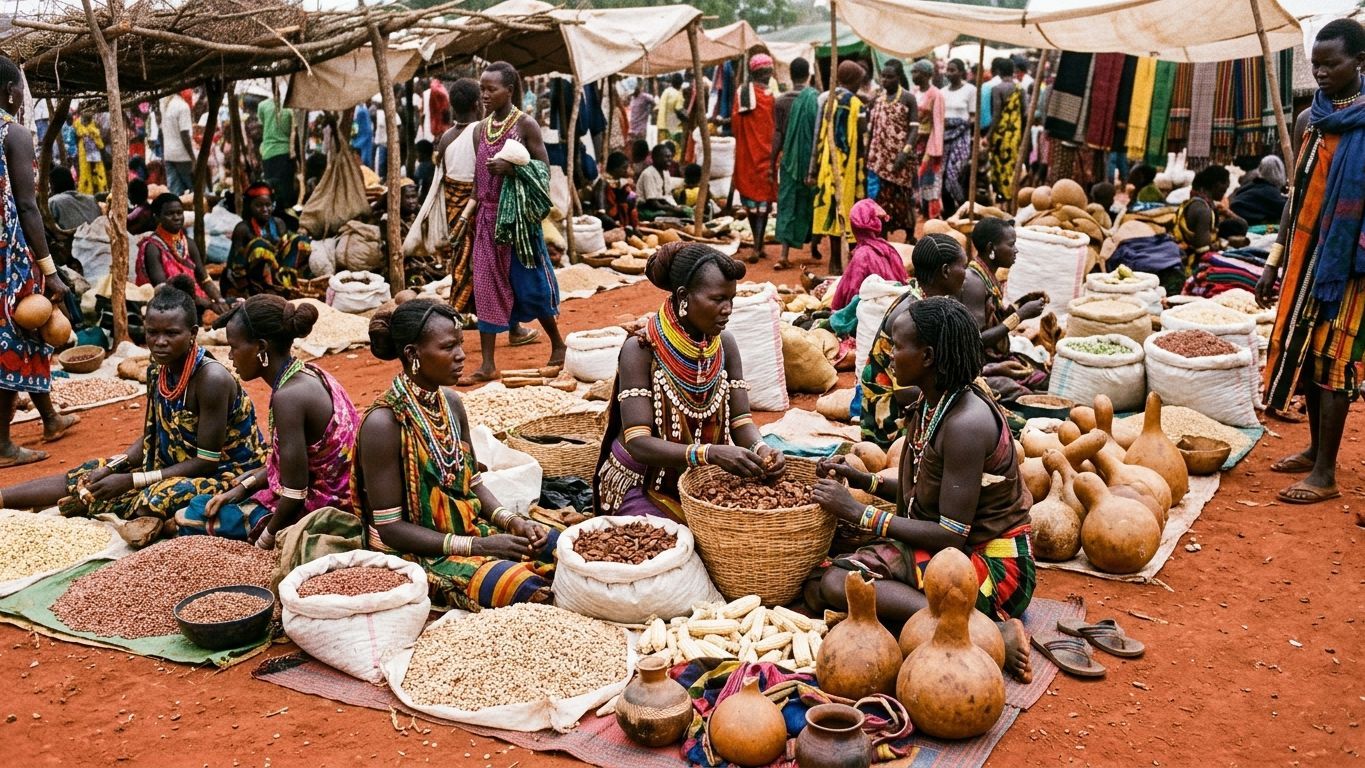
The Saturday market is one of the most rewarding stops in town, and it costs nothing to walk through. People from the nearby Ari, Banna, and other communities come in to trade grain, honey, livestock, coffee, pottery, and household goods. It is a working market for locals first, which is exactly what makes it worth your time.
Go in the morning when it is fullest. Expect noise, color, and a steady flow of people rather than a staged display. Ask your guide before photographing anyone, and be ready to buy a small item or pay a little if you take portraits. Treat it as a chance to watch daily life, not a performance arranged for visitors.
Beyond the market, Jinka itself is a pleasant place to spend a slow afternoon. The main street has cafes serving Ethiopian coffee, small shops, and views out toward the surrounding hills.
Why visit the South Omo Research Center and Museum first?
A short stop at the South Omo Research Center and Museum before you head into any village pays off. The museum sits on the hillside on the road toward Mago, and it gathers clothing, tools, musical instruments, jewelry, and photographs from the many communities of the region. Walking through it first gives names and context to what you later see in person.
This matters because the Omo Valley is easy to misread as a single culture when it is many. Understanding who the Mursi, Hamar, Ari, Kara, and Dassanech are, and how their ways of life differ, makes every later encounter more respectful and more interesting. You can read more about the center on the official South Ethiopia Tourism Bureau page.
Build in an hour here at the start of your trip. The view from the hilltop over Jinka and the valley is a bonus.
How do you reach Mursi villages and Mago National Park?
Mursi villages and Mago National Park lie southwest of Jinka, reached by rough, unpaved roads that need a 4×4 and a guide. The drive descends from the cool highlands into hot lowland bush, and conditions get harder in the rainy season, when rivers and mud can slow or block the route.
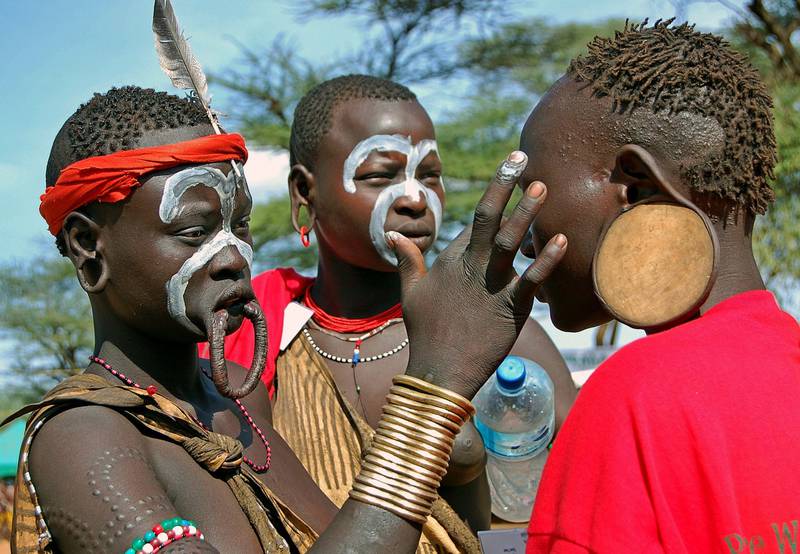
Mago is a large wilderness of savanna, riverine forest, and bush along the Mago and Omo rivers. Wildlife is present but shy and hard to spot compared with East Africa's famous parks, so set expectations toward landscape and culture rather than big-game viewing. The Mursi, known for the clay lip plates worn by some women, live in and around the park.
Village visits run on a clear system. You pay an entry fee at the park gate and a per-person fee in the village, usually collected and explained by your guide. Agree on photo arrangements in advance, keep interactions unhurried, and follow your guide's lead on etiquette. For travelers who want wildlife as part of the picture, our overview of what wildlife to expect in Ethiopia sets realistic expectations.
A guided trip is the sensible way to do all of this. At Yenew, we arrange the vehicle, the driver, the permits, and a guide who knows the communities and the current road conditions, so you can focus on the experience rather than the logistics.
Where should you stay and how do you get there?
Jinka offers a range of simple lodges and guesthouses rather than luxury resorts. Expect clean, basic rooms, a few mid-range lodges on the edge of town with good valley views, and budget options in the center near the market. Book ahead in the busier dry months, when tour groups fill the better places.
Getting to Jinka comes down to flying or driving. A domestic flight from Addis Ababa reaches the local airport in a little over an hour, which is the fastest and easiest option for most visitors. Ethiopian Airlines operates the country's domestic network, so a Jinka leg is usually added to a wider itinerary.
Driving south from Addis Ababa takes one to two days depending on where you stop, and it lets you link other southern highlights along the way. Whichever route you choose, confirm your paperwork early: our Ethiopia visa guide for tourists walks through the current entry requirements.
Start by deciding your dates and whether you want to fly in or drive, then line up a guide and 4×4 in Jinka before you arrive. That single step, arranged in advance, turns a logistically tricky region into a smooth and memorable trip.
Frequently asked questions
Where is Jinka in Ethiopia?
Jinka is a town in the highlands of southern Ethiopia and acts as the administrative and travel hub for the South Omo region. It sits above the lowland valley where most of the indigenous communities live.
What is Jinka known for?
Jinka is best known as the gateway to the Omo Valley. Travelers use it as a base for the Saturday market, the South Omo museum, Mago National Park, and visits to Mursi and other villages.
How do you get to Jinka?
You can fly from Addis Ababa to Jinka's airport in a little over an hour, or drive south over one to two days. Most visitors fly in and hire a guide with a 4×4 for the surrounding villages.
Can you visit Mursi villages from Jinka?
Yes. Mursi villages lie southwest of Jinka inside and around Mago National Park. The trip is usually done as a half or full day by 4×4 with a local guide, and village visitors pay a per-person fee.
When is the Jinka market?
The main market runs on Saturday, when people from nearby Ari, Banna, and other communities come to trade. It is busiest in the morning and is a highlight for many visitors.