Key takeaways
- Gena is Ethiopian Orthodox Christmas, celebrated on January 7 rather than December 25, because Ethiopia follows its own ancient calendar.
- The holiday ends a 40-day fast and centers on all-night church vigils, especially at the rock-hewn churches of Lalibela.
- Over one million visitors are expected at Lalibela for the celebration, making early booking essential (Ethiopian News Agency, 2025).
- Gena is also the name of a traditional stick-and-ball game played on Christmas Day, similar to field hockey.
- Plan a cultural tour around January 7 to pair the festival with Ethiopia's churches, mountains, and regional food.
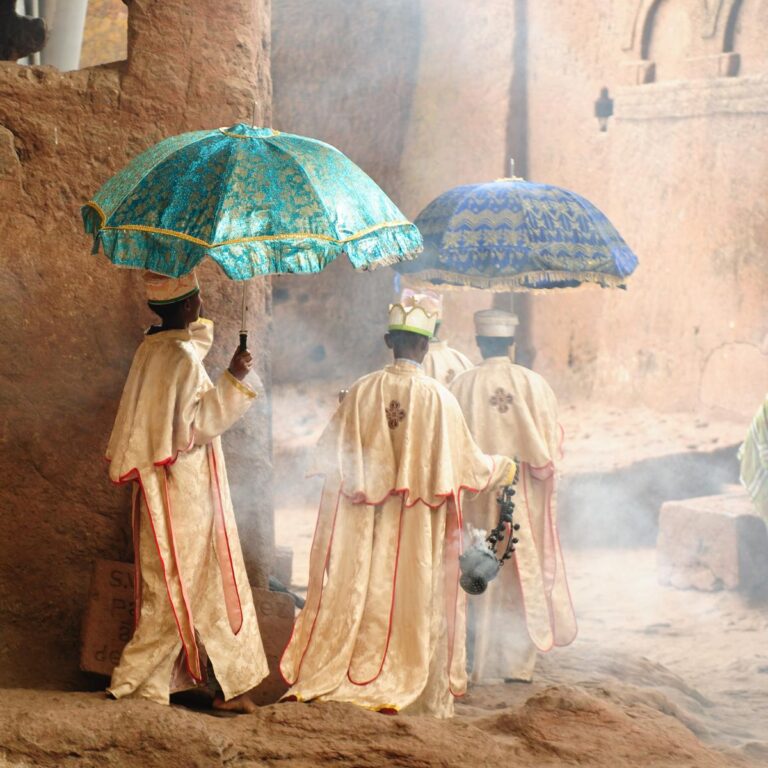
Gena is the Ethiopian Orthodox celebration of Christmas, observed each year on January 7. It marks the birth of Jesus with fasting, all-night church services, processions of priests in white robes, and a traditional game that gives the holiday its name. For travelers, it is one of the most moving religious gatherings on the African continent, and the spiritual heart of Ethiopia's festival calendar.
Understanding Gena Ethiopia means first understanding time itself here. Ethiopia keeps its own calendar, and that single fact explains why the country celebrates Christmas almost two weeks after much of the world.
Key Takeaways
- Gena is Orthodox Christmas, held on January 7 because Ethiopia uses its own ancient 13-month calendar.
- The day closes a 40-day fast and centers on all-night vigils, most famously at Lalibela.
- Over one million visitors are expected at Lalibela for the holiday (Ethiopian News Agency, 2025).
- Planning a cultural tour around January 7 lets you pair the festival with churches, mountains, and regional cuisine.
What Is Gena in Ethiopia and Why Is It Celebrated on January 7?
Gena falls on January 7 because Ethiopia follows a calendar that runs seven to eight years behind the Gregorian year and counts 13 months instead of 12 (EthiopianCalendar.net). That offset shifts Christmas from December 25 to January 7 on the calendar most foreign visitors use.
The Ethiopian calendar has 12 months of 30 days each, plus a short thirteenth month called Pagume with five or six days. The gap exists because Ethiopian tradition calculates the date of the annunciation differently from Western churches. So when you step off the plane, you effectively step back in time.
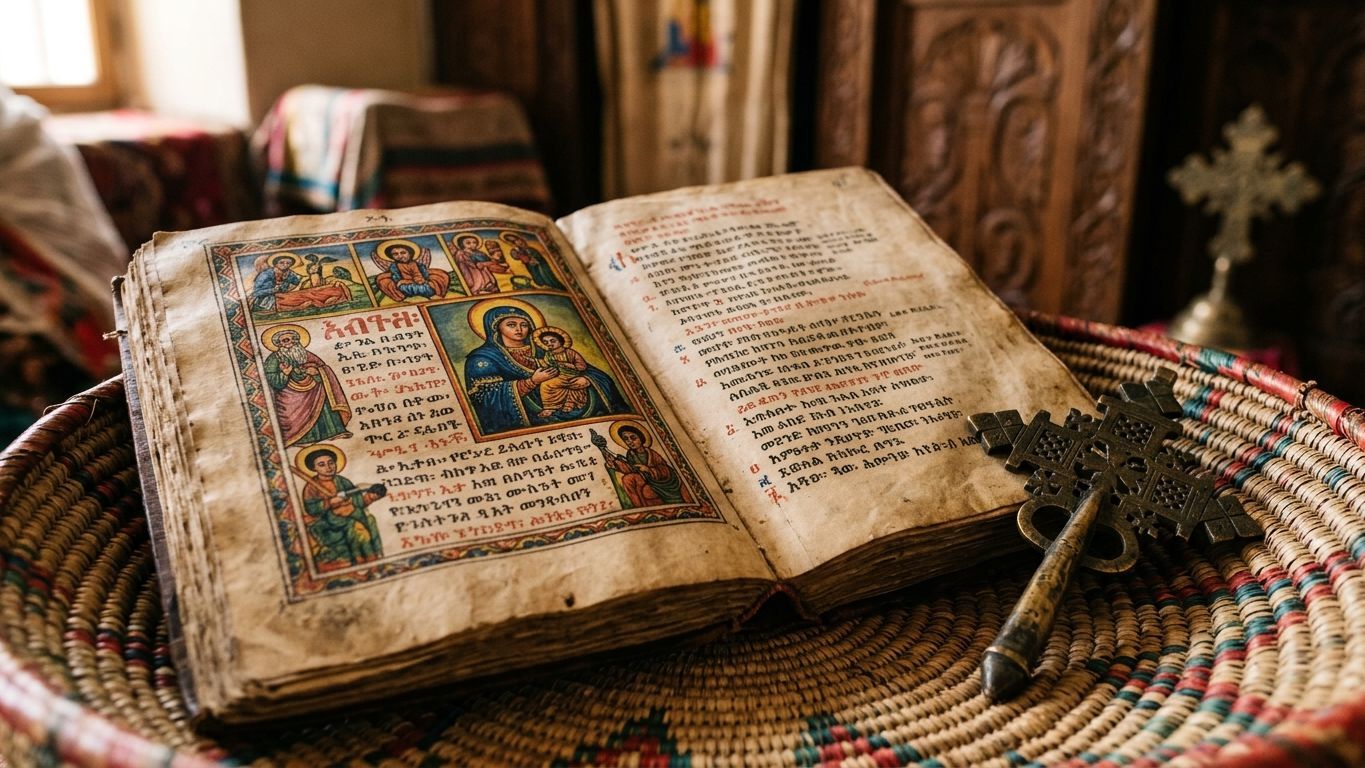
Gena itself commemorates the Nativity. The Ethiopian Orthodox Tewahedo Church is one of the oldest Christian institutions in the world, and it shapes daily life for a large share of the population. For millions of believers, January 7 is the most sacred winter feast of the year, closing weeks of preparation with worship, food, and family.
What Traditions Define the Holiday: Fasting, Vigils, and the Game of Gena?
Three customs define the day: a long fast that ends at Christmas, an all-night church vigil, and a field game. Together they turn January 7 from a single date into a full sensory experience that begins well before dawn.
The fast comes first. In the weeks leading up to Gena, the faithful observe Advent, known as Tsome Nebiyat or the Fast of the Prophets, lasting around 40 days. During this period many people avoid meat and dairy, eating plant-based dishes instead. The fast breaks after the Christmas liturgy, which is why the holiday meal feels so celebratory.
The vigil is the emotional core. Worshippers dress in the white shawl called a netela and gather at church through the night. Services can run from evening until the early hours, lit by candles and filled with chanting, drums, and the sistrum rattle. If you attend, arrive early and stand respectfully at the edges.
Then there is the game. Gena is also a traditional sport resembling field hockey, played with curved sticks and a ball. According to local lore, shepherds were said to be playing it when news of the Nativity reached them. On Christmas afternoon, you may still see young men competing in open fields, a lively counterpoint to the solemn morning.
Where Are the Best Places to Witness Gena, from Lalibela to Addis Ababa?
Lalibela is the definitive place to witness Gena, drawing pilgrims from across the country to its rock-hewn churches. Over one million visitors are expected for the Christmas holiday there, and the town is widely called "Africa's Jerusalem" (Ethiopian News Agency, 2025).
Lalibela holds 11 remarkable churches carved downward into solid rock, a UNESCO World Heritage Site and one of Ethiopia's top cultural destinations (Ethiopian News Agency, 2025). On Gena, these monolithic churches fill with pilgrims who have often walked for days, many camping on the surrounding hillsides. The sight of thousands of white-robed worshippers at dawn is unforgettable.
If Lalibela feels too crowded, consider alternatives. Addis Ababa hosts large, accessible services at churches like Bole Medhane Alem, making it a practical choice for first-time visitors. Axum and Gondar offer ancient settings with fewer crowds. For context on the country's many holy sites, our guide to Ethiopia's sacred churches is a useful starting point.
Wherever you go, book accommodation months ahead. Rooms near Lalibela sell out quickly, and demand peaks in the days around January 7.
What Foods and Festivities Mark the Holiday?
After the fast breaks, Gena becomes a feast of rich, meat-based dishes shared among family and neighbors. The centerpiece is usually doro wat, a slow-cooked chicken stew spiced with berbere, served on injera, the spongy sourdough flatbread.
Injera is the foundation of almost every Ethiopian meal. Made from teff, a tiny indigenous grain, it doubles as plate and utensil. On Christmas, families tear pieces to scoop up stews of chicken, beef, and lentils, a welcome return of flavor after weeks of fasting fare.
Coffee closes the celebration. The traditional coffee ceremony, where green beans are roasted, ground, and brewed in front of guests, can last an hour or more. It is a gesture of hospitality you will likely be offered if you visit a home during the holiday.
Beyond the table, expect music, dancing, and gift-giving, though presents are modest compared to Western Christmas. The mood is communal rather than commercial, centered on shared meals and reunion rather than shopping.
How Do You Plan a Cultural Tour Around the Gena Calendar?
Start by building your itinerary around January 7, then add days before and after to explore Ethiopia's wider highlights. Because the holiday follows the Ethiopian calendar, confirm the exact Gregorian date for your travel year, though it almost always falls on January 7.
A practical plan gives you three to four days in the Lalibela area, arriving before the crowds peak so you can adjust to the altitude and scout the churches in daylight. Hire a licensed local guide who can explain the liturgy and help you navigate the vigil respectfully. Dress modestly, carry a white scarf, and ask before photographing worshippers.
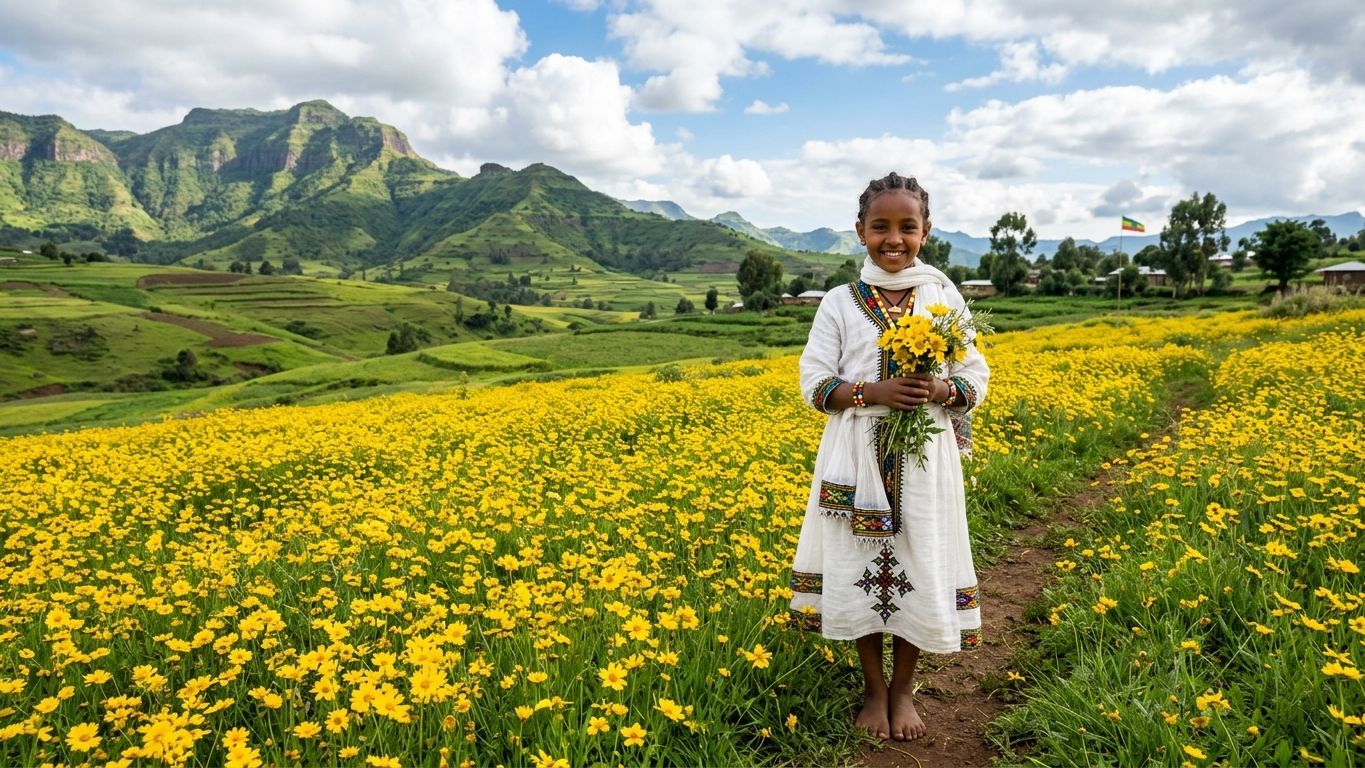
From there, extend the trip. The northern historic circuit pairs naturally with Gena, and many travelers add the dramatic highlands of the Simien Mountains to combine faith and landscape in one journey.
This is where a specialist operator earns its place. At Yenew, we build guided Ethiopia tours around cultural events like Gena, handling the early bookings, transport, and church access that are hard to arrange alone during the busy season. A well-planned tour turns a chaotic peak period into a smooth, immersive experience.
Prepare for practicalities too. January is dry and pleasant in the highlands, but nights are cold, so pack layers. Carry cash for rural areas, respect fasting customs if you dine out during Advent, and build in buffer time, since festival logistics rarely run on a strict schedule.
A Festival Worth Traveling For
Gena rewards travelers who come with patience and an open heart. The predawn chanting at Lalibela, the shared injera after a long fast, and the clatter of sticks on a village field all add up to something few festivals can match. Pick your travel year, mark January 7, and reserve your place early, because the best vantage points fill long before the pilgrims arrive. Reach out to plan a Gena-timed itinerary, and let Ethiopia's oldest Christmas become the centerpiece of your trip.
Frequently asked questions
Why is Ethiopian Christmas on January 7?
Ethiopia follows its own calendar, which runs seven to eight years behind the Gregorian calendar and has 13 months. The date difference places Gena on January 7 rather than December 25.
What does Gena mean?
Gena refers both to Ethiopian Orthodox Christmas and to a traditional game played on the day. The game uses curved sticks and a ball, resembling field hockey.
Where is the best place to experience Gena?
Lalibela is the most famous destination, where pilgrims gather by the hundreds of thousands at the rock-hewn churches. Addis Ababa and Axum also host memorable celebrations.
Do I need to fast to take part in Gena?
No. Travelers are welcome to observe the services without fasting. Many restaurants still serve regular menus, though fasting foods are widely available during Advent.
When should I book a Gena tour?
Book several months ahead. Lalibela fills quickly near January 7, and accommodation and guides sell out early because more than a million visitors arrive for the holiday.