Key takeaways
- Ethiopia vacation packages split into two broad styles: high-energy adventure routes and slower heritage circuits, and most travelers mix the two.
- Addis Ababa's hub connectivity makes a Seychelles beach extension a practical add-on rather than a separate long-haul trip.
- Book heritage and highland trips for the October to March dry season, which is also when routes fill up fastest.
- A good package is customizable: pace, private versus small-group travel, and lodging tier are the levers that change the price.
- Ethiopia drew 536,000 international tourists in 2024, so ground services are established but not overcrowded.
The right Ethiopia vacation package depends on how you like to travel rather than on a single "best" itinerary. A family wants short drives and wildlife; a couple wants privacy and a beach add-on; a solo traveler wants a small group and flexible pacing. This guide walks through the package styles that actually exist, what each one includes, how to customize it, and when to book for the best value.
Ethiopia works as a destination because the ground infrastructure is real without being crowded. The country drew 536,000 international tourists in 2024, according to WorldData's tourism figures, which is enough to support reliable guides, lodges, and domestic transport, but far below the tourist volumes that flatten a place. You get established service and genuine access at the same time.
Family, couples, and solo vacation package options
The traveler type changes the shape of a package more than the destination does.
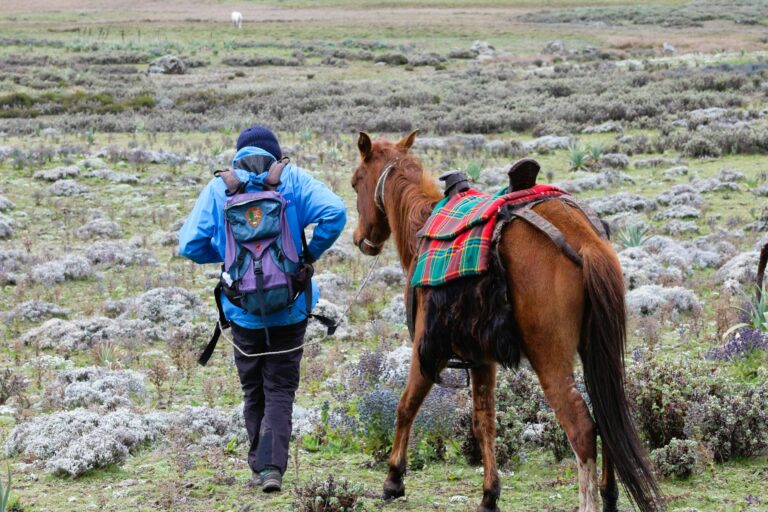
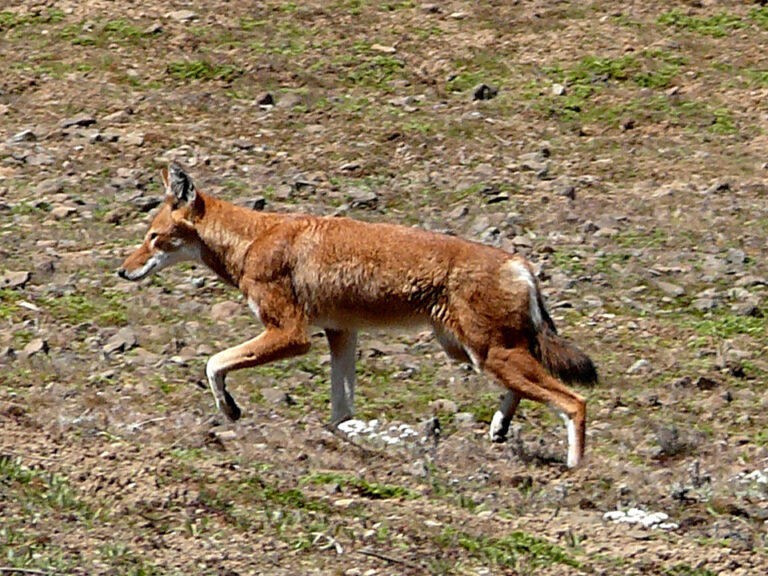
Families do best with a slower circuit and shorter transfers. Long overland drives wear out kids fast, so a family package leans on wildlife and interactive culture over marathon sightseeing. The Bale Mountains deliver accessible wildlife viewing, and highland towns give children something to do beyond looking at buildings.
Couples tend to want privacy, better lodging, and a change of scenery partway through. A private guide instead of a shared group, an upgraded lodge tier, and a beach extension at the end turn a cultural trip into something closer to a honeymoon. This is where the Seychelles combo below earns its place.
Solo travelers usually want two things at once: company when they want it and freedom when they don't. A small-group departure solves the first, and a package built around flexible daily pacing solves the second. Solo travelers also benefit most from a well-briefed guide, since a good guide turns a cultural site from a photo stop into a conversation.
Beach-and-culture combos: linking Ethiopia with Seychelles
Ethiopia has no coastline, which is exactly why pairing it with Seychelles works so well. You spend the first part of the trip on highland heritage and dramatic landscapes, then close on Indian Ocean beaches with almost no travel friction in between.
The reason this combo is practical rather than aspirational is connectivity. Addis Ababa is one of Africa's busiest aviation hubs, and Ethiopian Airlines alone controls 21% of available seats across sub-Saharan Africa, per reporting from Simple Flying. That hub position means a beach add-on is a short connecting flight from your cultural touring, not a separate long-haul journey you have to plan from scratch.
A typical beach-and-culture package runs seven to ten days in Ethiopia followed by three to five days in Seychelles. The Ethiopian leg carries the meaning and the memories; the Seychelles leg carries the recovery. For couples and families finishing a full itinerary, that decompression at the end is often what people remember most fondly.
Adventure vs. relaxed heritage vacation styles
Most Ethiopia packages sit somewhere on a line between two poles. Knowing which end you lean toward makes choosing much easier.
Adventure-forward packages
These are built around effort and terrain. Think multi-day trekking in the Simien Mountains, the descent to the Erta Ale lava lake in the Danakil, and long days outdoors. The payoff is scenery and stories you cannot get any other way, but the trade-off is real physical demand and rougher lodging in remote areas.
If this is your style, read up on routes, wildlife, and fitness expectations before you commit, so you can gauge whether a given itinerary matches your comfort with altitude and distance.
Relaxed heritage packages
These keep the days full but the effort low. The circuit through Lalibela, Aksum, Gondar, and the walled city of Harar delivers extraordinary history with comfortable lodging and manageable transfers. You still walk and explore, but nobody is scaling a ridge before breakfast.
Ethiopia's density of ancient sites is what makes the heritage style so rewarding, from the rock-hewn churches to fortified old cities. It is a route that suits couples, older travelers, and anyone whose idea of a great day ends with a good meal rather than a sore back.
Plenty of travelers blend both: a few adventurous days woven into an otherwise relaxed heritage trip. That blend is the most common request, and any competent operator should build it without friction.
What Ethiopia vacation packages include and how to customize them
Package inclusions vary, so read the fine print before comparing prices. A quoted "Ethiopia vacation package" that looks cheap may simply exclude things a fuller quote already covers.
Most well-built packages include:
- Domestic flights or ground transfers between regions
- Lodging for every night of the itinerary
- A licensed guide, and a driver where relevant
- Entry fees for parks, churches, and heritage sites
- Some meals, usually breakfast and often more on remote legs
Typically not included:
- International airfare to and from Ethiopia
- Travel insurance and visa costs
- Tips, drinks, and personal spending
- Optional upgrades like private guiding or premium lodges
The levers that move the price are pace, group format, and lodging tier. A private trip costs more than a small-group departure. A ten-day itinerary costs more than a seven-day one. Premium lodges cost more than solid mid-range ones. Customizing means choosing where you spend and where you save, and a good operator will tell you honestly which upgrades change the experience and which barely register.
This is the part where a knowledgeable operator earns their fee. A specialist like Yenew builds the itinerary around your priorities rather than selling a fixed shelf product, adjusting regions, pace, and lodging so the trip fits how you actually want to travel. If you are still choosing who to book with, our guide to finding the right travel agent in Ethiopia explains what separates a genuine specialist from a reseller.
Booking timeline and best value seasons
Timing affects both price and availability, and the two do not always move together.
The prime season for highland and heritage travel is the dry stretch from October to March. Roads are passable, trekking is comfortable, and the major sites are at their best. That window is also when packages fill fastest, so booking three to six months ahead is the safe move for these months. Trips built around the Simien or Bale mountains and around Lalibela during Ethiopian Christmas book earliest of all.
For better value, the shoulder months on either side of peak can deliver lower prices and thinner crowds, with the trade-off of more variable weather. The long rains, roughly June through September, make some overland routes difficult, which is why fewer packages run then. If your dates are flexible, ask your operator which weeks sit just outside peak pricing but still inside good travel conditions.
A practical booking sequence looks like this: settle your travel style and rough dates first, then confirm the package and lodging, and secure international flights once the ground itinerary is locked. Booking flights before the itinerary is a common way to end up paying to change them.
If you are early in your research and want the full picture before you commit to a package, work through visas, health, and regional planning before locking anything in.
Start by naming your travel style and your non-negotiable dates, then send both to an operator and ask for two quotes: one relaxed heritage version and one with an adventure or beach extension. Comparing those two against each other, rather than against a stranger's itinerary, is the fastest way to find the Ethiopia vacation package that actually fits you.
Frequently asked questions
What is the best time to book an Ethiopia vacation package?
Book three to six months ahead for October to March travel, the dry season for highlands and heritage sites. Simien and Bale trekking and Lalibela at Christmas fill earliest.
Can I combine Ethiopia with a beach holiday?
Yes. Addis Ababa's strong flight connectivity makes a Seychelles beach extension straightforward, letting you pair cultural touring with a few days of coastline relaxation.
Are Ethiopia vacation packages good for families?
Yes, with the right pace. Shorter drives, wildlife in the Bale Mountains, and interactive cultural stops suit families better than back-to-back long transfers.
What is usually included in an Ethiopia vacation package?
Most packages include domestic flights or transfers, lodging, a guide, park and site entry fees, and some meals. International airfare and personal costs are typically separate.
How much can I customize a package?
A lot. You can adjust trip length, pace, lodging tier, private versus small-group travel, and which regions you visit to match your budget and interests.