Harar is a UNESCO World Heritage walled city in eastern Ethiopia. It is regarded as Islam’s fourth holiest city, after Mecca, Medina and Jerusalem. For centuries it has been a centre of trade between Africa and the Arabian Peninsula, India and the Middle East. Today it brings together many peoples, religions and languages.
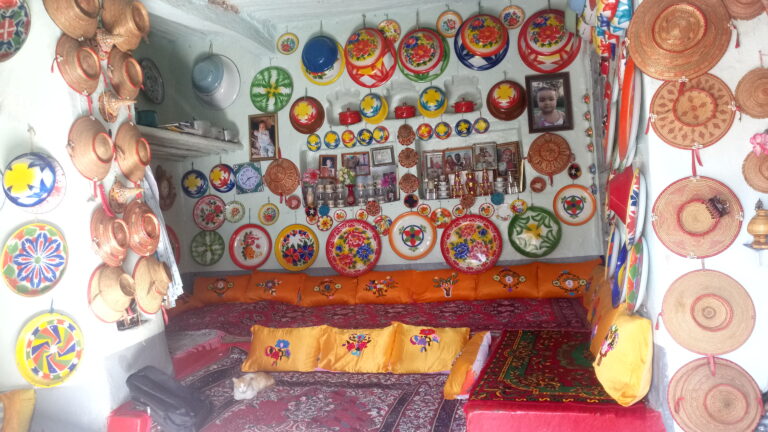
The walls around the city were built between the 13th and 16th centuries. Harar has 82 mosques, three of which date from the 10th century, and 102 shrines. The townhouses, with their distinctive interiors, are the most striking part of its heritage.
The old town
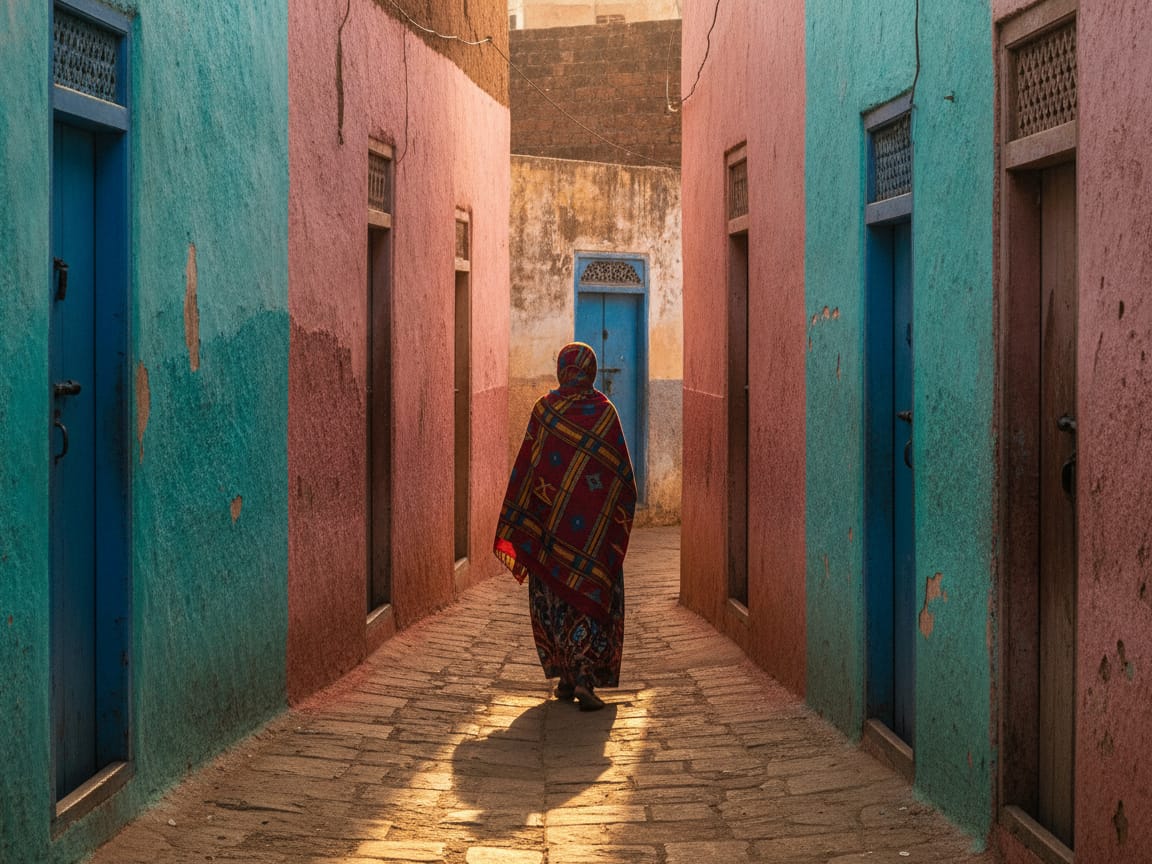
The walled city has old-world charm, with hundreds of narrow streets close together like a maze. Traditional Harari houses, 16th-century gates, watchtowers, mosques and shrines are all notable. Local museums display coins and artefacts showing how the arts and trade thrived in the town.
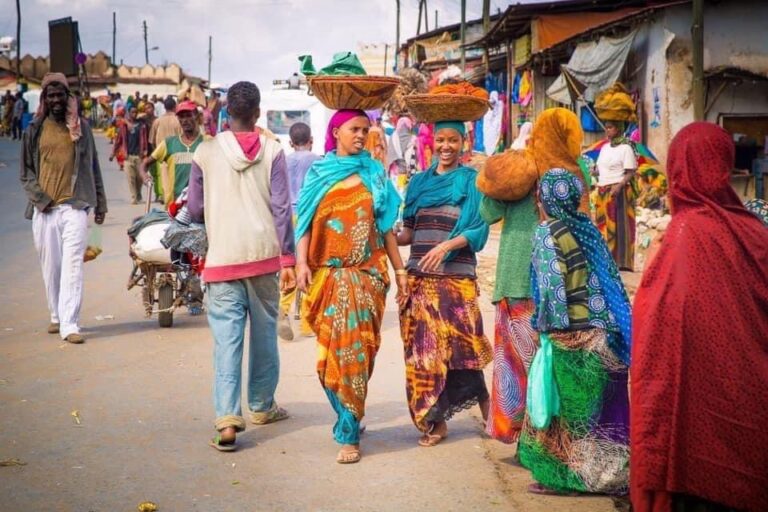
The old town is a living museum of a distinct ethnic identity, language and culture. A good way to meet local people is to walk the market streets, each defined by the goods sold there. At the Gidir Market, or Big Market, different ethnic groups gather to sell firewood, vegetables and meat.