Key takeaways
- The Abyssinian lion is a genetically distinct population of Ethiopian lions, confirmed by a 2012 DNA study, with males carrying a large dark mane that extends across the head, neck, chest, and belly.
- The best-known captive group descends from lions kept by Emperor Haile Selassie, who founded the Addis Ababa Zoo in 1948 with seven founder lions.
- Wild lions survive in scattered pockets, including Alatash National Park, the Bale Mountains, and the Omo and Mago lowlands in the south.
- African lion populations have declined by up to 75 percent since 1980, and lions now occupy less than one-tenth of their historic African range.
- Responsible wildlife tours through parks like Bale Mountains give travelers a chance to support conservation while seeing Ethiopia's rare fauna.
The Abyssinian lion is a genetically distinct population of Ethiopian lions, and its most famous males wear a dark, heavy mane that spreads across the head, neck, chest, and belly. In 2012, DNA analysis of lions at the Addis Ababa Zoo confirmed that this group differs from every other lion population scientists had data for, which makes the Ethiopian lion one of the most unusual big cats on the continent.
For travelers drawn to Ethiopia's wildlife and history, the story of this lion connects biology, empire, and conservation in a single animal. Here is what sets it apart, where it lives, why it matters to Ethiopian identity, and how to see wildlife responsibly across the country.
What Makes the Abyssinian Lion Different
The clearest marker of the Abyssinian lion is the mane. According to the University of York, whose researchers led the genetic work, the males at the Addis Ababa Zoo display a large, dark mane that extends from the head, neck, and chest down to the belly. These lions are also smaller and more compact than lions elsewhere in Africa.
The genetic evidence goes deeper than appearance. In a 2012 study published in the European Journal of Wildlife Research, scientists analyzed both microsatellite and mitochondrial DNA from 15 lions at the Addis Ababa Zoo, eight males and seven females. As the University of York reported, the animals proved genetically distinct from all lion populations for which comparative data existed at the time.
That finding reframed the dark mane as more than a local quirk. It pointed to a lineage worth protecting, and it raised the profile of a captive group that had survived, largely overlooked, in the heart of the Ethiopian capital.
Where Ethiopian Lions Live Today
Ethiopia no longer holds the vast lion range it once did, but wild populations persist in a handful of parks and lowland regions. Only a few hundred wild lions are thought to remain scattered across the country.
The main strongholds include:
- Alatash National Park, in the northwest along the Sudan border, where lions were confirmed in a notable 2016 survey.
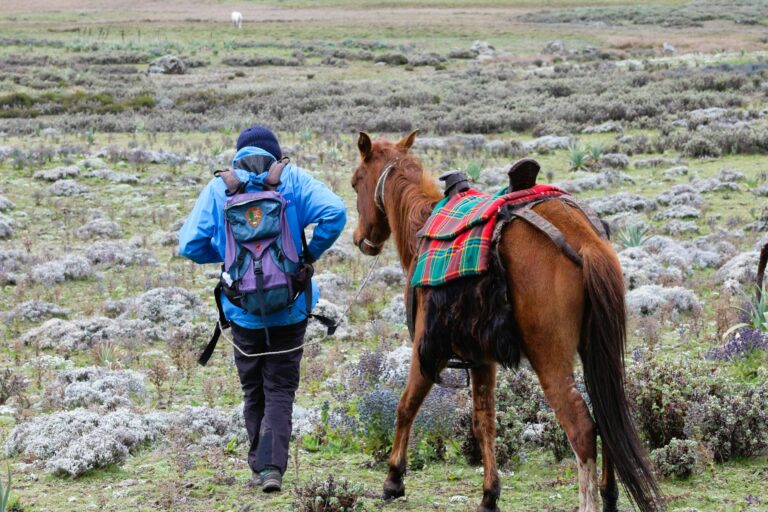
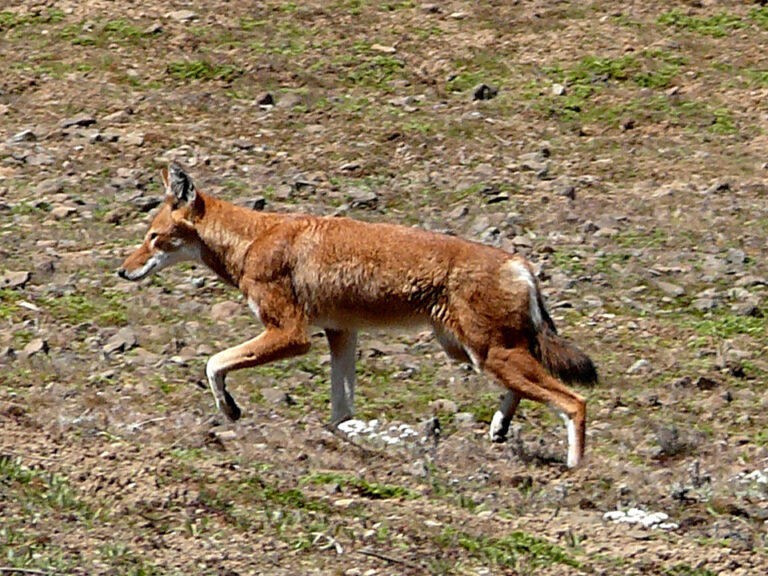
- The Bale Mountains, in the southeast, where black-maned lions are reported in the Harenna Forest. This same park protects the Ethiopian wolf and other endemic species, which you can read about in our guide to Bale Mountains National Park.
- The Omo and Mago lowlands, in the far south, connected to lion populations near the Kenyan border.
- The Boma-Gambella region, along the border with South Sudan, one of the larger remaining ranges.
The 2016 rediscovery at Alatash was significant because it confirmed lions in an area where their status had been uncertain. The Alatash-Dinder ecosystem, spanning roughly 10,000 square kilometers across the Ethiopia-Sudan border, was estimated to hold between 100 and 200 lions, with 27 to 54 in Alatash itself, based on the Oxford WildCRU survey reported at the time.
The Lion in Ethiopian History and Identity
Few animals carry the symbolic weight the lion holds in Ethiopia. The Lion of Judah sits at the center of the country's imperial tradition, and Ethiopian emperors long claimed descent from a line associated with the figure. Emperor Haile Selassie himself bore the title Conquering Lion of the Tribe of Judah.
That symbolism became literal in the twentieth century. Selassie founded the Addis Ababa Zoo in 1948 and stocked it with seven founder lions, five males and two females, captured in southwestern Ethiopia. The descendants of those animals are the same population later confirmed to be genetically distinct. In effect, an imperial menagerie preserved a lineage that scientists would come to recognize as unique.
The lion still appears throughout Ethiopian visual culture, from monuments to national emblems. Understanding that heritage adds depth to any trip, and it connects naturally to the country's wider story of faith and royal power.
Conservation Status and Threats
The outlook for lions across Ethiopia mirrors a wider continental decline. African lion populations have fallen by up to 75 percent since 1980, and lions now occupy less than one-tenth of their historic African range, according to figures from the Born Free Foundation.
Lions in Ethiopia belong to the northern lion group, which the IUCN classifies as endangered. The pressures are familiar and stacking:
- Habitat loss as farmland and settlements expand into former range.
- Human-wildlife conflict, where lions preying on livestock are killed in retaliation.
- Prey depletion from hunting and land-use change.
- Instability in some border regions that complicates monitoring and protection.
For the genetically distinct captive group, the small founder base is its own risk. A population that began with seven lions has limited genetic diversity, which makes careful management essential if the lineage is to survive in the long term.
How to See Ethiopian Wildlife Responsibly
Wild lion sightings in Ethiopia are never guaranteed. The animals are few, the terrain is large, and responsible travel means accepting that you may not see one at all. What you can do is choose experiences that put money and attention where they help conservation.
A few practical guidelines:
- Prioritize the parks. The Bale Mountains offer the richest mix of endemic wildlife, and even without a lion you are likely to see Ethiopian wolves, mountain nyala, and rare birds. The southern lowlands around Omo and Mago give the best odds for lions themselves.
- Go with knowledgeable local guides who understand animal behavior and keep a respectful distance. Pressuring wildlife for a photo does real harm.
- Time your trip well. The dry season generally improves game viewing, and our overview of the best time to visit Ethiopia breaks down the seasons region by region.
- Combine wildlife with culture. Ethiopia rewards travelers who pair its parks with its history, from ancient churches to living traditions.
At Yenew, we build guided Ethiopia itineraries that fold wildlife into a fuller picture of the country, so a search for the black-maned lion also becomes a journey through highland forests, historic cities, and local communities. That approach spreads the benefit of tourism and gives you a richer trip than a single-species checklist ever could.
If the Abyssinian lion has caught your imagination, the next step is simple: sketch out the regions you want to cover, decide how many days you have, and talk to a guide who knows where the wildlife actually is this season. Start with the parks that match your travel window, and build the rest of the journey around them.
Frequently asked questions
What is the Abyssinian lion?
The Abyssinian lion, also called the Ethiopian lion, is a population of lions native to Ethiopia. A 2012 genetic study found the group kept at the Addis Ababa Zoo to be distinct from all other lion populations studied to date, and the males are known for an unusually dark, full mane.
Why do Abyssinian lions have dark manes?
The dark mane is a phenotype associated with this Ethiopian population. Researchers note the males at the Addis Ababa Zoo carry a large, dark mane extending from the head to the belly, and they are generally smaller and more compact than other lions.
Are there still wild lions in Ethiopia?
Yes. Wild lions survive in scattered areas including Alatash National Park, the Bale Mountains, and the Omo and Mago lowlands, though populations are small and threatened by habitat loss and human-wildlife conflict.
Where can tourists see lions in Ethiopia?
Sightings are never guaranteed in the wild, but the Bale Mountains and southern lowland parks such as Omo and Mago offer the best chances. The Addis Ababa Zoo also houses descendants of Emperor Haile Selassie's lions.
What is the conservation status of Ethiopian lions?
Lions in Ethiopia belong to the northern lion group, which the IUCN lists as endangered. Only a few hundred wild lions are thought to remain scattered across the country.