Key takeaways
- Ethiopia is the genetic home of Arabica coffee, and the Kafa Biosphere Reserve alone holds close to 5,000 wild coffee varieties across 760,144 hectares.
- Sidama and Yirgacheffe are the two regions most worth building a coffee tour around for washed, floral, tea-like cups.
- The best season to visit a working farm is the main harvest, roughly October through December, when picking, washing and drying are all underway.
- A strong coffee tour pairs a washing-station visit with a traditional coffee ceremony, not just a tasting at a cafe.
- Coffee underpins more than 30% of Ethiopia's export earnings, so a farm visit connects you to the country's single most important crop.
A good coffee tour in Ethiopia takes you to the one country where Arabica grows wild in the forest, and shows you the full journey from a ripe red cherry to the cup poured at a traditional ceremony. If you are choosing an operator, the deciding factor is simple: look for a trip that visits a working washing station during harvest and ends with a genuine ceremony, not a staged photo stop.
This guide walks through why Ethiopia holds this claim, which regions reward a visit, how the beans are grown and processed, what the ceremony involves, and how to put a focused trip together.
Why Is Ethiopia Called the Birthplace of Coffee?
Ethiopia is the genetic home of Arabica coffee, which still grows wild in its southwestern forests. The Kafa Biosphere Reserve covers 760,144 hectares and holds close to 5,000 wild varieties of Arabica, the highest concentration of wild coffee diversity found anywhere (UNESCO Man and the Biosphere Programme, Kafa Biosphere Reserve). No other origin can show you the plant in its natural state.
That matters for a traveler. In most coffee countries you tour a plantation. In Ethiopia you can stand in forest where the species began, then compare it against cultivated farms a short drive away. The contrast is the story.
Coffee is also woven into daily life and the national economy. It supports more than 6 million smallholder farmers and makes up more than 30% of Ethiopia's total export revenue (FurtherAfrica, reporting the Ethiopian Coffee and Tea Authority, July 2026). When you visit a farm here, you are meeting the people behind the country's most important crop.
Which Coffee Regions Should a Tour Visit?
For a coffee-focused trip, Sidama and Yirgacheffe are the two names to build around. They sit close together in the southern highlands, so a single loop can cover both. Each produces the washed, floral, tea-like cups that made Ethiopian coffee famous with specialty roasters worldwide.
Yirgacheffe is the more delicate of the two. Expect bright citrus, jasmine and a clean finish, grown at high altitude on small garden plots. A visit usually means walking between neighbors' coffee gardens rather than one large estate.
Sidama is broader. It spans a wide range of altitudes and farm sizes, which gives you more washing stations to compare and a fuller picture of how elevation shapes flavor. Other respected regions include Guji, Limu and Harar, the last known for its drier, fruitier style from eastern Ethiopia.
Why does altitude keep coming up? Higher ground means cooler nights and slower cherry ripening, which concentrates the sugars and acids that drive the cup. Standing at 2,000 meters and tasting the result in the same afternoon makes the link obvious in a way no textbook can.
If your trip also touches the north, it is easy to pair the southern coffee belt with other highlights, so travelers often add Lalibela or the Simien Mountains to a coffee loop for a mix of flavor and history.
How Is Ethiopian Coffee Grown and Processed?
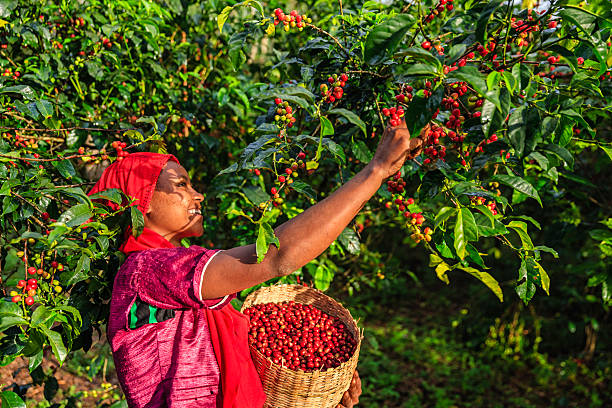
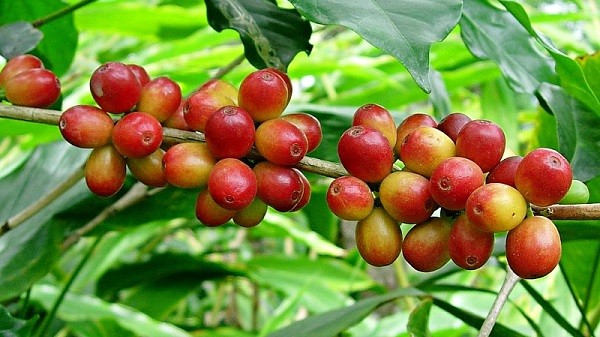
Most Ethiopian coffee grows on tiny plots under shade trees, picked by hand when the cherries turn deep red. There is very little industrial farming here. The scale is personal, which is exactly why a farm visit feels so direct, and it is one reason the country keeps so much flavor diversity alive.
After picking, the cherry follows one of two main paths, and a good tour shows you both.
- Washed process. Cherries go to a washing station, where machines strip the skin and pulp. The beans ferment in tanks, get rinsed, then dry on raised beds. This path gives the clean, floral Yirgacheffe profile.
- Natural process. Whole cherries dry in the sun on raised beds for weeks, turned by hand. The fruit sugars soak into the bean, producing heavier, berry-forward cups.
Timing is everything. The main harvest runs roughly from October through December across most southern regions, so planning your visit then lets you watch picking, pulping, washing and sun-drying on the same day. Outside harvest the stations sit quiet.
Walking the raised drying beds, you see the sorting work up close. Pickers and station staff pull out unripe or damaged beans by hand, bean by bean, because a single defect can mark a whole lot. That labor is invisible in the finished bag but obvious the moment you stand beside the beds.
What Is the Traditional Ethiopian Coffee Ceremony?
The coffee ceremony is a daily social ritual in which a host roasts, grinds and brews coffee in front of guests, who drink three rounds together. It is a centuries-old tradition and is treated as a sign of respect and friendship. Ethiopia is advancing the ceremony for recognition on the UNESCO list of intangible cultural heritage, a measure of how deeply it is valued.
The sequence is consistent wherever you go. The host washes green beans and roasts them over coals until they darken and crackle, then carries the smoking pan around so everyone can take in the aroma. The beans are ground, often by hand, and brewed in a clay pot called a jebena.
Coffee is poured in three rounds, each with its own name, and guests are expected to stay for all three. Incense burns throughout, and fresh grass is often scattered on the floor. Snacks such as popcorn or roasted barley usually accompany the cups.
For a traveler, the ceremony is the emotional center of a coffee trip. It is where the farm, the processing and the culture come together in a single cup poured by hand. A tour that skips it has skipped the point.
How Do You Plan a Coffee-Focused Tour of Ethiopia?
Plan on five to seven days with a local operator, a reliable vehicle and English-speaking guidance, timed to the October-to-December harvest for the fullest experience. Most itineraries start in Addis Ababa and head south into the Sidama and Yirgacheffe belt, mixing farm walks, washing-station visits and at least one ceremony.
A practical coffee itinerary usually includes:
- A roastery or specialty cafe day in Addis Ababa to set a tasting baseline.
- The drive south, with farm and washing-station stops in Sidama and Yirgacheffe.
- A hosted coffee ceremony in a village or family home.
- Time to cup different lots side by side and buy beans to carry home.
Booking through a specialist matters more here than in many destinations. Harvest timing, washing-station access and ceremony invitations all depend on local relationships, and roads in the growing regions reward a driver who knows them. This is where an operator like Yenew, which runs guided cultural and nature trips across Ethiopia, can arrange farm access and ceremonies that are hard to reach independently.
If you want the route shaped around your own tastes, pace and budget, a custom private itinerary lets you decide how many farms to visit and whether to add northern highlights on either end.
The next step is concrete: pick your travel window inside the October-to-December harvest, then ask any operator you are considering one direct question, which working washing stations and which coffee ceremony they can get you into on those exact dates. The answer will tell you quickly whether you are booking a real coffee tour or a sightseeing trip with coffee attached.
Frequently asked questions
When is the best time to take a coffee tour in Ethiopia?
The main harvest runs roughly from October to December across most southern regions. Visiting then lets you watch picking, pulping, washing and drying on the same day, which is the richest experience a working farm can offer.
Which region has the best coffee tour, Sidama or Yirgacheffe?
Both are excellent and sit close together, so many tours cover them in one loop. Yirgacheffe is famous for delicate floral and citrus cups, while wider Sidama offers more varied altitudes, washing stations and farm sizes to compare.
What actually happens at an Ethiopian coffee ceremony?
A host roasts green beans over coals, grinds them by hand, then brews the coffee in a clay jebena pot. Guests drink three rounds while incense burns. The ritual is centuries old and treated as a sign of friendship and respect.
Do I need to speak Amharic or Afaan Oromo to join a coffee tour?
No. Reputable operators provide English-speaking guides who translate at farms and washing stations. Learning a few greetings is appreciated, but it is not required to understand the growing, processing and ceremony steps.
How many days should a coffee-focused Ethiopia trip take?
Plan five to seven days if coffee is your main interest. That allows travel from Addis Ababa to the southern growing belt, two or three farm and washing-station visits, a ceremony, and time for tasting and buying beans to take home.