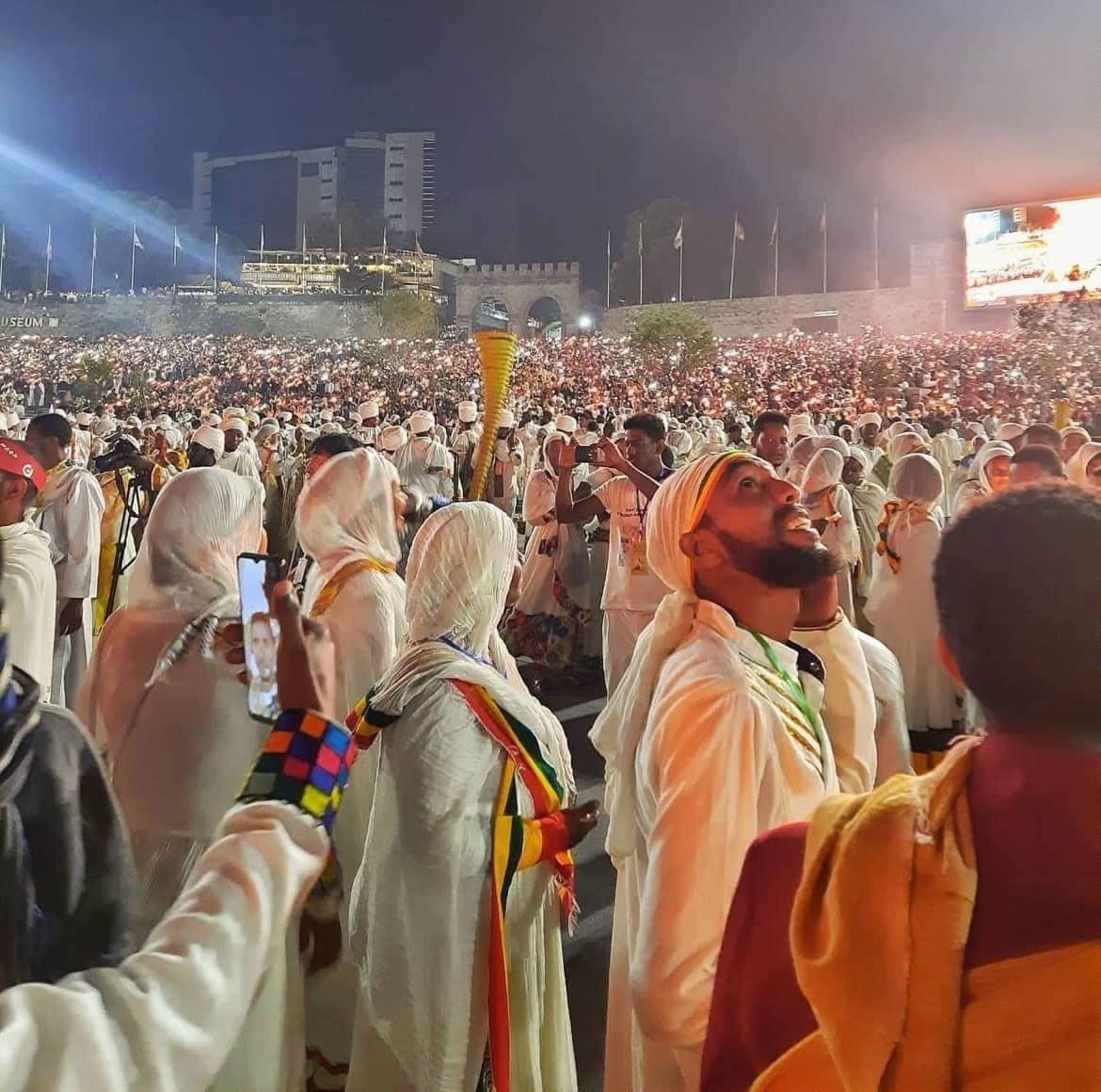
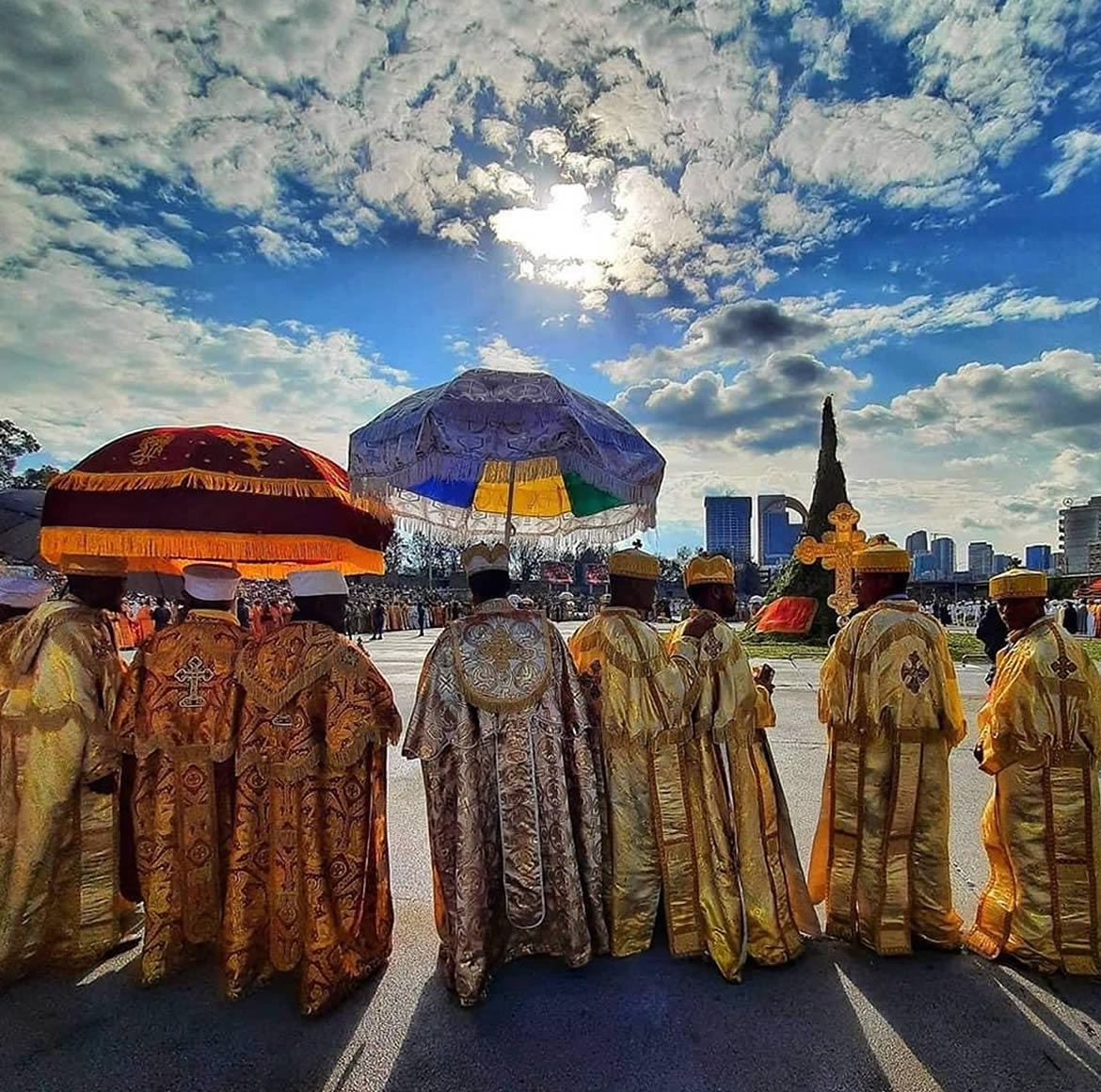
Meskel means cross. It commemorates the discovery of the True Cross, on which Christ was crucified, by Queen Helena in the fourth century. It is a public holiday in Ethiopia, held on 27 September, or 28 September in leap years.
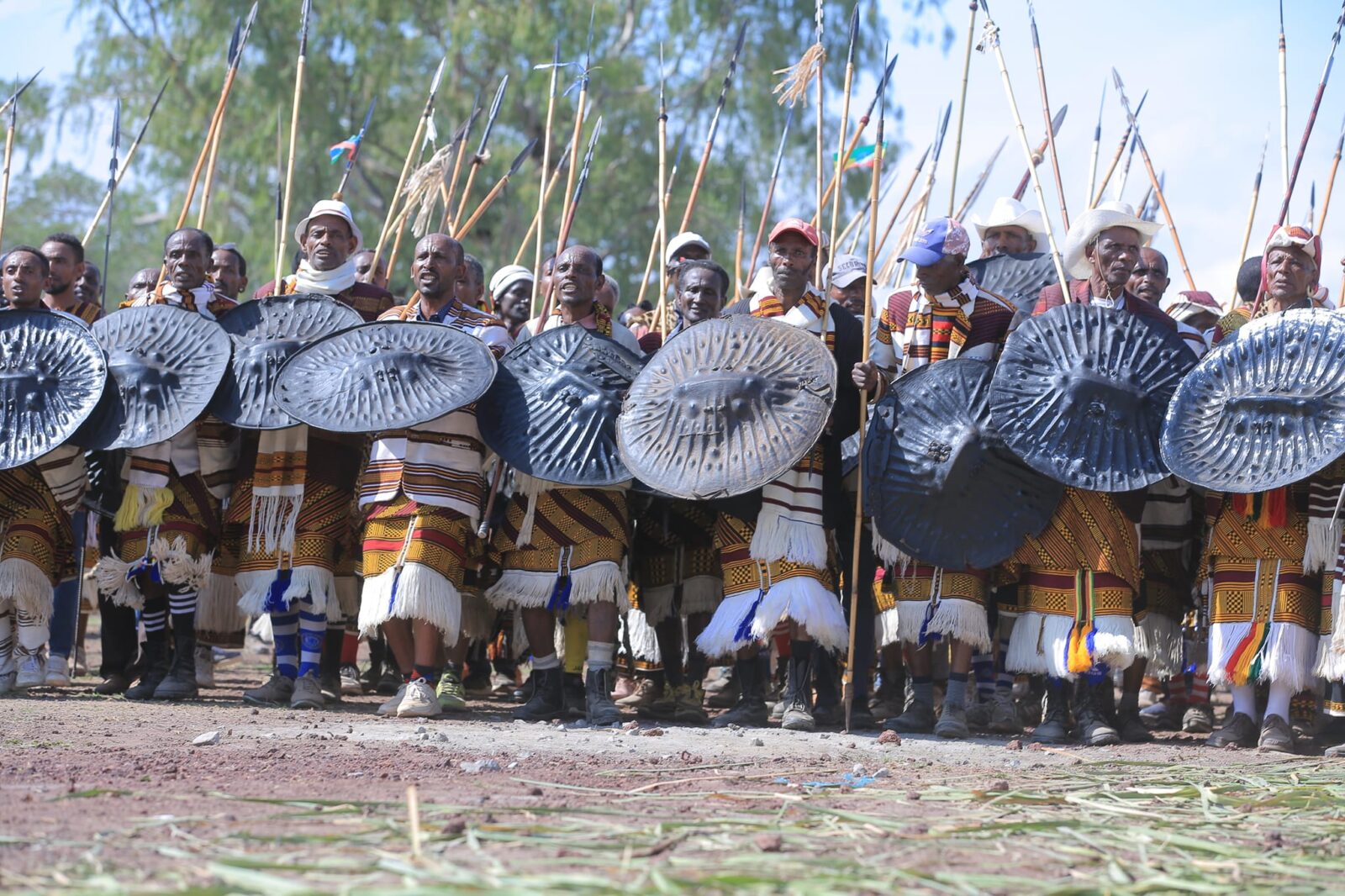
The Meskel Festival is classified by UNESCO as intangible cultural heritage of humanity.
The story
After the conversion of Emperor Constantine, his mother Empress Helena, later St Helena, travelled to Jerusalem in 326 AD to establish churches and spread the gospel.
In Jerusalem, she dreamed that she should light a bonfire and that the smoke would show where the True Cross was hidden. The bonfire was lit as soon as they woke. The smoke indicated the places of the three crosses used in the crucifixions on Good Friday.
The Ethiopian Orthodox Church celebrates this tradition. It is believed that part of the True Cross was brought to Ethiopia in the 15th century. It is kept at Amba Geshen Mariam church, a mountain fortress built in the shape of a cross.
The Demera
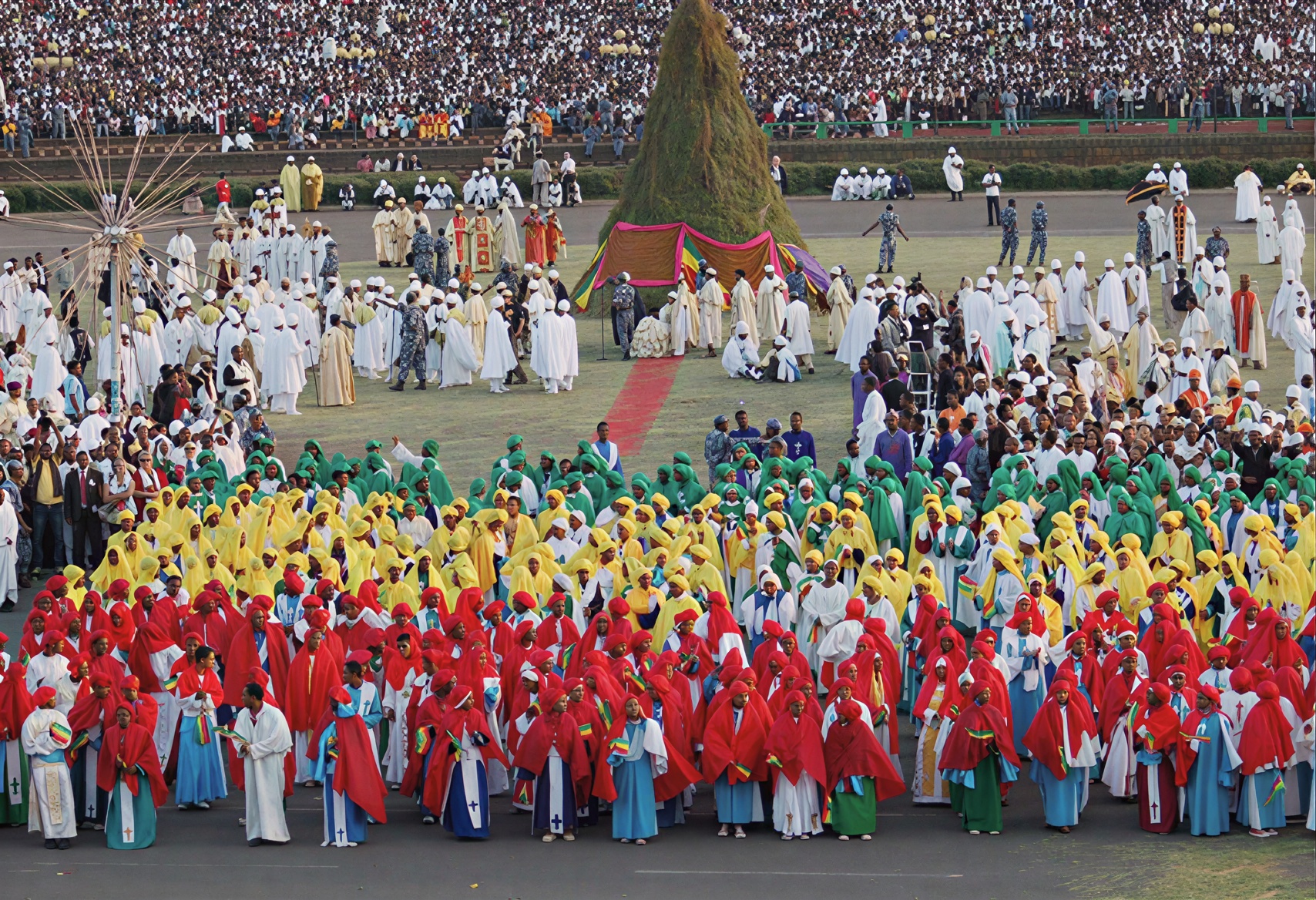
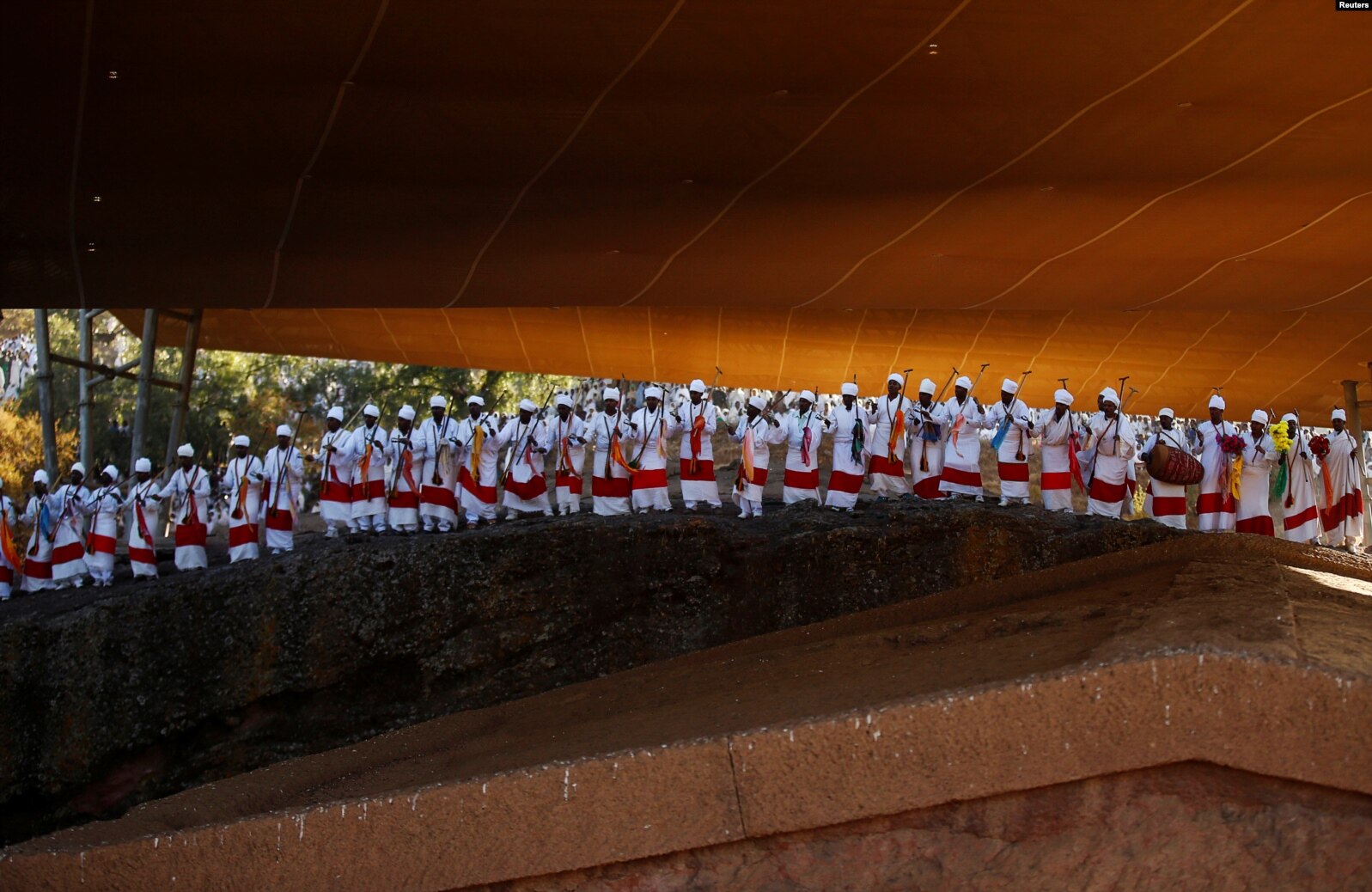
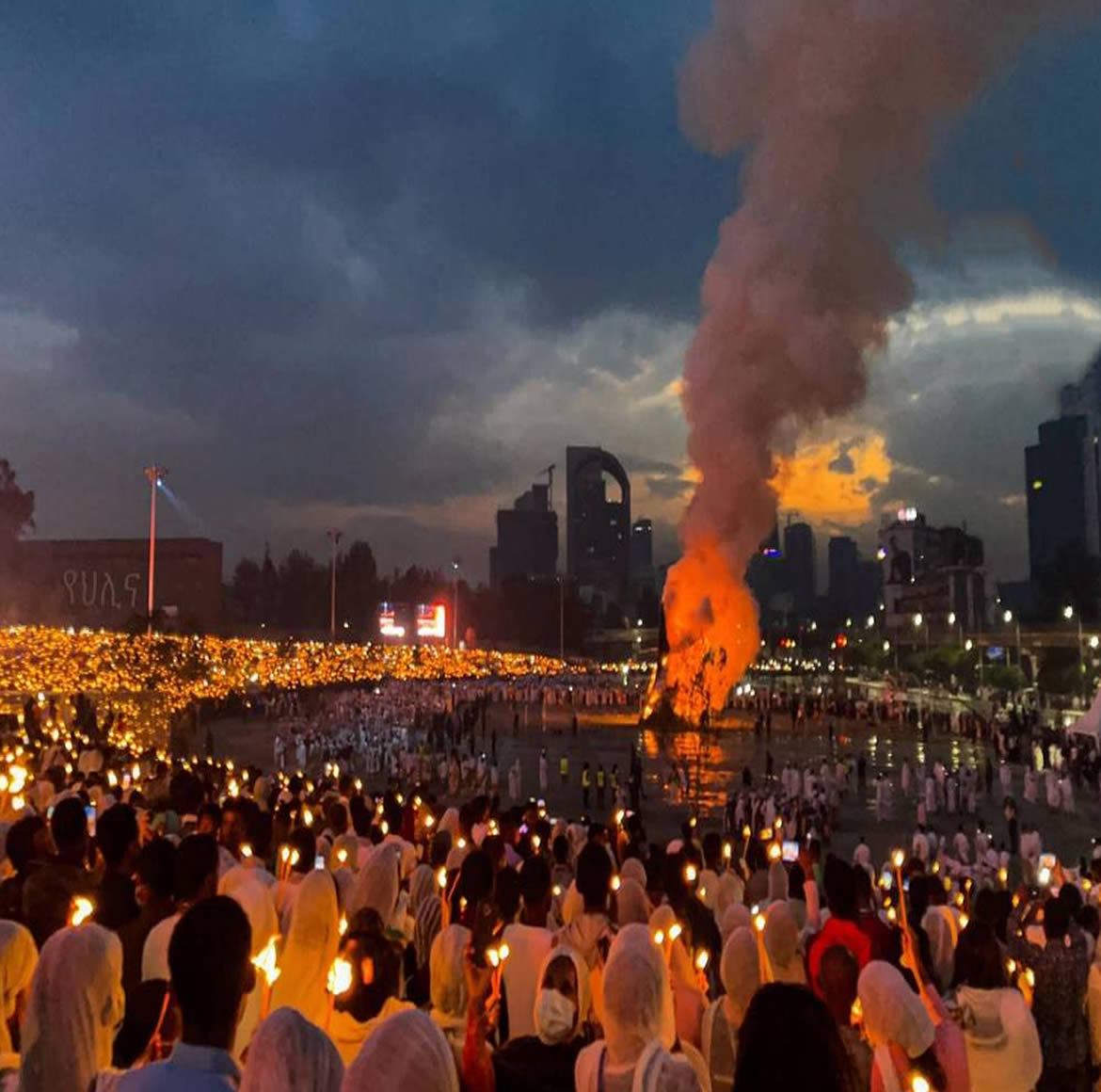
Meskel begins on 27 September with Demera, a public ceremony. Ethiopians gather around a large bonfire in memory of the crucifixion and the discovery of the True Cross. Hundreds of thousands gather in the centre of Addis Ababa, and the ceremony is also held in every village.
A cross of ash is then marked on foreheads, similar to Ash Wednesday. The ashes represent death as well as repentance. The celebration continues the next day at home or with neighbours.