Key takeaways
- The Ethiopian coffee ceremony serves coffee in three rounds, abol, tona, and baraka, brewed from the same grounds with fresh water added each time.
- The full ritual, called buna, includes roasting green beans, grinding, and brewing in a clay jebena, often with popcorn and frankincense.
- Coffee is central to Ethiopian social life, marking hospitality, celebration, and community, and leaving before the third round is considered impolite.
- The finest coffee regions for a tour are Jimma, Sidama, and Yirgacheffe in the south and west of the country.
- Ethiopia is Africa's largest coffee producer, with roughly 5.9 million farmers engaged in growing it.
The Ethiopian coffee ceremony is a slow, three-round ritual in which a host roasts green beans, grinds them by hand, and brews them in a clay pot called a jebena, all in front of guests. It is less about caffeine and more about hospitality, conversation, and the bonds that form while everyone waits for the coffee to be ready.
For a traveler, understanding the ceremony changes how you experience Ethiopia. You will be offered coffee often, sometimes in a home, sometimes in a restaurant, and knowing the etiquette lets you take part rather than just watch. This guide walks through where the tradition comes from, what happens in each round, the step-by-step ritual, and where to join an authentic ceremony on tour.
Where Coffee Comes From and Why It Matters Here
Ethiopia is the birthplace of coffee. The plant Coffea arabica grows wild in the country's southwestern forests, and the drink has been part of daily life for centuries. The most repeated origin story credits a goatherd named Kaldi, who, according to tradition, noticed his goats becoming lively after eating red berries from a certain tree. He took the berries to a monastery, and after monks roasted and brewed them, the first cup of coffee was born.
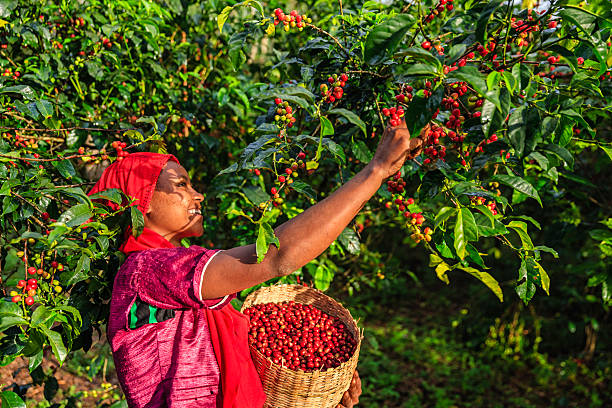
Coffee is not just folklore here. It is the backbone of rural life and the economy. Ethiopia is Africa's largest coffee producer, and roughly 5.9 million farmers are engaged in growing it, according to the USDA Foreign Agricultural Service. Much of that crop comes from smallholders working small plots, and a large share of the harvest is drunk at home rather than exported. That domestic love of coffee is exactly what the ceremony celebrates.
The ceremony, known as buna in Amharic, appears at weddings, holidays, funerals, and ordinary afternoons. It is a way to welcome guests, settle disputes, share news, and simply slow down together. Refusing an invitation to coffee is considered impolite, because the invitation is really an invitation to belong for an hour or two.
The Three Rounds: Abol, Tona, and Baraka
One of the most distinctive features of the ceremony is that coffee is served in three rounds, all brewed from the same grounds with fresh water added each time. Each round has a name and a meaning, and together they carry the guest from arrival to blessing.
- Abol is the first and strongest round. It marks the start of the gathering, the moment people settle in and conversation begins.
- Tona is the second round, a little lighter than the first. By now the group has warmed up, and this round deepens the bonds around the fire.
- Baraka is the third and lightest round. The word means blessing. Receiving baraka is thought to confer good fortune on everyone present, which is why guests are expected to stay for all three.
Leaving before baraka is a small breach of manners. The three rounds are meant to be experienced in full, so plan your day around the ceremony rather than the other way around.
The Ritual, Step by Step
A full ceremony often takes between one and three hours. It is usually performed by a woman of the household, seated on a low stool with the equipment arranged on a bed of fresh grass or flowers. Here is how it unfolds.
Roasting
The host begins with green, unroasted coffee beans, roasting them in a flat pan over a small charcoal or open flame. As the beans darken and the oils release, she often carries the pan around the room so guests can waft the smoke toward themselves and breathe in the aroma. This is part of the welcome.
Grinding
Once the beans are roasted to a deep brown, they are ground by hand, traditionally with a wooden mortar and pestle called a mukecha. The rhythmic sound of grinding is part of the atmosphere.
Brewing in the Jebena
The ground coffee goes into a jebena, the rounded clay pot with a narrow spout and a handle that is the heart of the ceremony. Water is added, and the pot sits on the coals until it brews. A skilled host controls the boil so the coffee is strong but not bitter, then lets the grounds settle before pouring.
Serving
Coffee is poured from a height into small handleless cups called sini, an act that takes practice to do without spilling. It is usually served with something to eat, most often freshly popped popcorn, and sometimes roasted barley or peanuts. Many households also burn frankincense, filling the room with a resinous scent that signals the ceremony has truly begun. Sugar is common; in some areas salt or butter is added instead.
Where to Experience an Authentic Ethiopian Coffee Ceremony on Tour
You do not need to hunt for the coffee ceremony in Ethiopia; it tends to find you. Still, some settings are more genuine than others, and a good guide makes the difference between watching a performance and being welcomed as a guest.
In Addis Ababa you will find the ceremony in cultural restaurants and in many family homes, and it pairs naturally with the museums and markets covered in our guide to things to do in Addis Ababa. Beyond the capital, the most memorable ceremonies happen in villages and guesthouses in the coffee-growing south, where the beans in your cup may have grown a short walk away.
Joining through a guided trip is the simplest way to be invited into a real household ceremony rather than a staged one. A local operator like Yenew arranges these visits as part of a broader cultural itinerary, so the coffee ceremony sits alongside markets, churches, and landscapes rather than standing alone.
A few points of etiquette will serve you well:
- Accept the invitation if you can. Declining is awkward for the host.
- Stay for all three rounds, ending with baraka.
- Take the cup with your right hand, and do not rush the conversation.
- Compliment the coffee and the host; the effort behind it is real.
Coffee-Region Trips: Jimma, Sidama, and Yirgacheffe
To connect the ceremony to the land, travel to the regions where the beans grow. Each has its own character, and each offers a different window into how coffee shapes Ethiopian life.
Jimma, in the Oromia region of the southwest, is one of the country's historic coffee centers. The surrounding highlands are dense with coffee, and the region carries deep cultural ties to its cultivation. It is a natural base for seeing forest and garden coffee up close.
Sidama, further south, is famous for cups with floral and fruity notes. The region's smallholder farms and washing stations show how much care goes into processing before a bean ever reaches a jebena.
Yirgacheffe, a sub-region within the wider Sidama area, produces some of the most celebrated Arabica in the world, known for bright, citrus-forward, almost wine-like flavors. For many visitors, tasting coffee at its source in Yirgacheffe is the highlight of a coffee-focused itinerary.
There is a growing global appetite for these origins. Ethiopian coffee earned around 1.7 billion dollars in export value in 2023/24, as reported by Daily Coffee News, a sign of how far these highland beans travel and how much the world has come to prize them.
A coffee-region trip works best woven into a longer route through the south, and Yenew can build a coffee focus into a wider cultural itinerary. If you want to shape a route around the harvest season and the growing regions, the best next step is to talk through dates and interests with a local operator and let them match a ceremony, a farm visit, and a tasting to your trip.
Frequently asked questions
How long does an Ethiopian coffee ceremony take?
A full ceremony usually takes between one and three hours. It moves slowly through roasting, grinding, brewing, and three separate rounds of coffee, so it is meant to be a social event rather than a quick drink.
What are abol, tona, and baraka?
They are the three rounds of the ceremony. Abol is the first and strongest, tona is the second, and baraka is the third and lightest. Baraka means blessing, and receiving it is considered good fortune.
Is it rude to leave before the third round?
Yes. Guests are expected to stay through all three rounds. Leaving before baraka is considered impolite because that final round carries the blessing of the gathering.
Where can I experience an authentic coffee ceremony in Ethiopia?
You can join a ceremony in family homes, cultural restaurants, and village guesthouses across the country, especially in the coffee-growing regions of Jimma, Sidama, and Yirgacheffe. A guided tour is the easiest way to be welcomed into a genuine one.